Plus-Size Bodycon Dresses: Confident Styling Guide 2026 is built around proportion, comfort and occasion rather than rigid fashion rules. Fit, fabric, color balance, footwear, layering and accessories can change the same base…
Plus-Size Bodycon Dresses: Confident Styling Guide 2026 is built around proportion, comfort and occasion rather than rigid fashion rules. Fit, fabric, color balance, footwear, layering and accessories can change the same base piece from casual to polished.
Quick Verdict
Best for: readers who want practical outfit formulas they can adapt to their own wardrobe and body shape.
Focus on: fit, proportion, fabric, color balance, footwear, layering and accessories.
Watch for: the most flattering outfit is the one that fits comfortably and suits the setting, not one that follows every trend.
Plus size bodycon dresses can look polished, comfortable and confidence-boosting when the fabric has reliable stretch, the seams sit correctly and the cut lets you move without constant adjustment. The goal is not to hide your shape or squeeze into a smaller size. It is to choose a fitted dress that follows your curves while supporting the way you want to look and feel.
Quick answerStart with a substantial stretch fabric, choose your size from the brand’s measurements and test the dress while sitting, walking and raising your arms. Ruching, a defined waist, double lining and wider straps can make the fit easier to wear. Add seamless underwear if you want fewer visible lines, then style the dress for the occasion with a blazer, cropped jacket, heels, flats, boots or sneakers.
Fabric weight, stretch recovery, lining and ruching can change how a fitted dress looks and feels.
This guide explains how a bodycon dress should fit, which fabrics are easiest to wear, how optional styling choices can balance different proportions, and what works for dates, parties, work, weddings and casual days. If you are still comparing silhouettes, see our separate guide to the best bodycon dress styles for curvy women.
Fit comes before the label
Use the retailer’s current size chart and your measurements. The same labeled size can fit differently across brands and fabrics.
Structure changes the result
Ponte, scuba, rib knit and double-lined jersey generally feel more substantial than a very thin, single-layer knit.
Shapewear is optional
A supportive bra and seamless underwear may be all you want. Shapewear should improve comfort, never restrict breathing or movement.
Movement is the final test
Sit, walk, bend and raise your arms before removing tags. A dress that needs constant pulling is not the right fit for that occasion.
Table of contents
Plus Size Bodycon Dresses at a Glance
Quick comparison of easy-to-style bodycon dress options
Style
Why it works
Good for
Fit check
Ruched midi
Gathering adds texture and lets you adjust some styles
Dates, dinners, parties
Ruching should lie smoothly without twisting
Ponte sheath
Dense knit creates a clean, structured line
Work, networking, dinner
Seams should stay straight when seated
Wrap-effect bodycon
Diagonal lines and waist definition add visual shape
Weddings, dates, events
Neckline should remain secure when moving
Off-shoulder dress
Highlights the shoulders and collarbone
Parties, birthdays, vacations
Test arm movement and neckline grip
Long-sleeve knit
Easy to layer and comfortable in cooler weather
Fall, winter, casual dinners
Sleeves should not pull across the upper arm
Square-neck midi
Frames the neckline and works with supportive straps
Brunch, dates, semi-formal events
Bra straps and dress straps should align
Bodycon maxi
Creates a long continuous line with more leg coverage
Formal dinners, weddings, evenings
Hem must clear the floor with your chosen shoes
Ribbed T-shirt dress
Relaxed neckline and texture make it easy to dress down
Brunch, errands, casual plans
Check that the hem stays in place while walking
What Is a Bodycon Dress?
“Bodycon” is short for “body-conscious.” A bodycon dress is cut close to the body and usually relies on a knitted fabric or a woven fabric with added elastane for stretch. Unlike a tailored sheath, which may skim the figure, a bodycon dress is designed to follow the bust, waist and hip line more closely.There is no size requirement for wearing one. A fitted silhouette can work on any body when the garment accommodates that person’s proportions. The useful question is not “Am I allowed to wear bodycon?” but “Does this particular fabric, cut and size give me the comfort, coverage and look I want?”
Style, not a rulebookBody-shape recommendations are optional starting points. You do not need to create an hourglass, appear taller or wear dark colors. Use the suggestions that solve a practical fit concern or support your personal style, and ignore the rest.
How Should a Plus Size Bodycon Dress Fit?
A good bodycon fit feels close but not restrictive. The neckline stays in position, shoulder seams sit near the shoulders, side seams run vertically, and the hem does not climb dramatically with every step. You should be able to breathe normally, sit comfortably and walk with your usual stride.
Measure before ordering. Record your bust, natural waist and fullest hip measurement with the tape level and comfortably snug.
Use the brand’s chart. Do not assume your usual size will be identical at another retailer. If measurements fall across sizes, prioritize the area with the least fabric stretch.
Check the fiber content. Elastane adds stretch, but the percentage alone does not reveal fabric weight, recovery or transparency. Product reviews can help fill those gaps.
Inspect the seams. Horizontal strain lines, a rippling zipper or side seams pulling forward can indicate that the cut or size is under too much tension.
Test the opacity. View the dress in daylight and bend or sit. Some knits become more transparent when stretched.
Do a movement test. Walk, sit, climb a step, raise your arms and turn. Check the neckline, straps, slit and hem after each movement.
Signs you may want another size or cut
The dress restricts breathing, walking or sitting.
The fabric becomes sheer over the bust, hips or seat.
The hem rolls, twists or rises enough to make you uncomfortable.
The zipper buckles or the seams appear strained.
You spend the fitting-room test repeatedly pulling the garment into place.
Going up a size may solve the issue, but not always. A different neckline, torso length, hip-to-waist ratio or fabric can be a better answer than changing the number on the label. Simple alterations may also help when the dress fits the largest area but is loose elsewhere.
Best Fabrics and Design Details to Look For
Fabric determines much of the experience. Weight affects coverage, stretch affects movement, recovery helps the dress return to shape, and lining changes how smoothly the outer layer falls. A high-quality thin knit can still work, but it will usually show more underneath than a substantial double knit.
Ponte knit
A dense double knit with stretch and structure. It is useful for polished midi dresses, office outfits and cooler weather.
Scuba knit
Smooth, springy and often substantial. It holds shape well, although synthetic versions may feel warm in hot conditions.
Ribbed knit
Textured ribs add visual depth and flexibility. Check recovery because a loose knit may grow during wear.
Double-lined jersey
Softer than ponte but more covered than a single layer. It works well for ruched and casual fitted styles.
Stretch velvet or crepe
These create a dressier finish for evenings. Confirm that the actual garment includes stretch and follow its care label.
Satin-look stretch fabric
Satin describes a surface finish, not guaranteed stretch. Look for elastane, a stretch lining or a cut designed for movement.
Details that can make a fitted dress easier to wear
Side or diagonal ruching adds texture and may make the midsection less visually uniform.
Double lining improves coverage and can help the outer fabric fall more smoothly.
Princess seams or waist seams shape the garment instead of relying only on stretch.
Adjustable straps help position the neckline and accommodate different torso lengths.
A back or side vent gives a close-fitting midi or maxi more walking room.
Wider straps or sleeves provide more bra coverage when that matters to you.
How to Choose a Bodycon Dress for Your Body Shape
Body-shape language can be helpful when it describes proportions, but it should not limit what you wear. Use this table to identify design features you may enjoy—not to decide which styles are “allowed.”
Optional bodycon dress details for different proportions
Proportion
Details to try
What they emphasize
Useful fit check
Hourglass
Waist seams, belts, wrap effects, square necks
A naturally defined waist
Choose enough hip room so the waist seam stays level
Color blocking, curved seams, waist gathering, belts
Dimension at the waist or hip
Keep added details lying flat rather than bunching
Inverted triangle
V- or scoop necks, simple shoulders, hip or hem detail
Lower-body detail and an open neckline
Check that sleeves and upper back allow easy movement
How to Style a Plus Size Bodycon Dress by Occasion
Party or night out
Try a ruched mini or midi in burgundy, black, cobalt, emerald, metallic or sequins. Let an embellished dress lead by keeping the jewelry and bag simple. With a solid dress, statement earrings or a bold clutch can supply the focal point. Block heels are a stable option for longer events; strappy sandals create a lighter evening finish.
Date night
A wrap-effect midi, off-shoulder dress or side-slit style can feel dressed up without becoming overly formal. Choose one feature you enjoy—neckline, color, slit, texture or jewelry—and keep the rest balanced. For detailed combinations, browse these bodycon dress outfit ideas for parties and evenings.A single rich color with metallic accessories creates a coordinated date-night look.
Wedding guest or formal event
Choose a midi or maxi in stretch crepe, velvet, lined jersey or another event-ready fabric. Check the invitation, venue and stated dress code before deciding on length and formality. A shawl, tailored wrap or elegant jacket adds warmth without hiding the dress. Make sure any slit and neckline remain secure when sitting and dancing.
Work or networking
When a fitted dress suits the workplace dress code, a knee-length or midi ponte style is the easiest starting point. Add a structured blazer, loafers, pumps or low block heels and a medium-sized tote. Neutral colors can feel traditional, but a saturated solid shade can also look professional when the cut and accessories are simple.
Brunch or casual day
Dress down a ribbed or T-shirt bodycon dress with clean sneakers, a denim jacket and a crossbody bag. Flat sandals work in warm weather; ankle boots and a long cardigan transition the same idea into fall. Casual styling is also a useful way to rewear a fitted dress beyond evening events.
Plus Size Bodycon Dresses to Shop
Affiliate notice: This section contains sponsored shopping links. If you buy through one of them, FrediTech may earn a commission at no extra cost to you.
These looks illustrate several of the styling ideas above. Confirm the seller’s current size chart, fabric details, reviews, price and return policy before ordering; availability can change.
The best foundation is the one you can forget about once you are dressed. Start with a properly fitted bra that works with the neckline and straps. Seamless briefs, a thong, boyshorts or slip shorts can reduce visible edges depending on the dress and your preference. Skin-tone options are often less visible under pale fabric than bright white underwear.
Is shapewear necessary?
No. Shapewear is an optional styling tool, not a requirement for a curvy body. If you enjoy a smoother foundation, choose the lightest support level that achieves the effect you want. High-waisted shorts can reduce thigh friction, a shaping slip can create one continuous layer, and a bodysuit can combine bust and torso support.
Use your actual measurements instead of sizing down for extra compression.
Check that waistbands and leg openings do not roll or dig in.
Sit and breathe deeply before committing to an event-length wear.
Match the shapewear length to the dress slit and hem.
Skip it if the garment makes you feel restricted, overheated or distracted.
How to style a bodycon dress with a belly
You do not need to conceal your stomach to wear a fitted dress. If you want to make the area less visually prominent, try diagonal ruching, a wrap-effect front, a print, a substantial double-lined knit or an open blazer that creates vertical edges. A longer necklace can also move the focal point, while a belt can define the waist when placed where it feels most comfortable. These are visual choices—not obligations.
Layers, Shoes and Accessories
Choose a layer by the effect you want
Cropped denim jacket: casual, waist-defining and easy with ribbed dresses or sneakers.
Tailored blazer: polished and useful for work, dinners or networking.
Long cardigan or duster: creates vertical movement and adds soft coverage.
Leather or faux-leather jacket: adds contrast to a simple knit or evening dress.
Shawl or dressy wrap: practical with wedding-guest and formal looks.
Match the shoes to the venue
Strappy sandals and pumps dress up a fitted silhouette, while loafers and pointed flats make it more practical. Clean sneakers relax a ribbed dress; ankle or knee-high boots add structure in cooler weather. For grass, cobblestones or long periods of standing, block heels and wedges are often more stable than narrow stilettos. See the full guide to the best shoes to wear with bodycon dresses for dress-length and venue pairings.
Use accessories to create one focal point
Statement earrings highlight an off-shoulder or square neckline. Layered necklaces complement a V-neck, while a cuff or cocktail ring works when the neckline is already detailed. A compact evening bag keeps a formal outfit streamlined; a structured tote supports a work look; and a crossbody suits casual plans. If the dress includes sequins, a bold print or dramatic ruching, simpler accessories usually create a cleaner finish.
How to Wear Bodycon Dresses in Every Season
Spring
Try a midi dress with a lightweight trench, cropped cardigan or denim jacket. Slingbacks and clean sneakers handle changing weather.
Summer
Choose a breathable-feeling knit, sleeveless cut or short sleeve. Check opacity in daylight and keep the layer optional.
Fall
Ribbed long sleeves, ankle boots and a leather jacket create texture without requiring many pieces.
Winter
Use sweater knit, ponte or stretch velvet with tights, boots and a long coat. Make sure every layer still allows easy movement.
Common Bodycon Dress Fit and Styling Mistakes
Buying by the size label alone. Measurements, garment cut and stretch matter more than the number printed in the dress.
Sizing down to look “snatched.” Excess tension can create sheerness, rolling and discomfort. Structure usually works better than forced compression.
Skipping the movement test. A dress that looks good standing still may shift when you sit, walk or dance.
Ignoring the actual venue. A long hem, narrow heel or heavy velvet may be beautiful but impractical for heat, grass or stairs.
Assuming every satin or jersey stretches. Read the fiber content and product description; fabric names alone do not guarantee flexibility.
Wearing uncomfortable shapewear. A foundation layer should support the outfit without becoming the main thing you notice.
Following “slimming” rules you dislike. Dark colors and vertical lines are options, not requirements. Bright color, large prints and shine can all work.
How to Care for a Bodycon Dress
Always follow the sewn-in care label because fabric blends, linings, embellishments and dyes require different treatment. As a general precaution, cooler water, gentle washing and lower heat reduce stress on many stretch fibers—but the label takes priority. Avoid applying a universal hand-wash rule to every garment; some structured or embellished dresses may require professional cleaning.
Wash with similar colors and fasten hooks or zippers before laundering.
Use a mesh bag for delicate knits when machine washing is permitted.
Avoid high dryer heat unless the label explicitly allows it.
Dry heavier knits flat when hanging could stretch the shoulders or length.
Fold velvet, sequined and weighty dresses to reduce hanger distortion.
Store garments clean, dry and away from prolonged direct sunlight.
The Best Bodycon Dress Is the One You Can Wear Confidently
A successful plus size bodycon outfit begins with fit: accurate measurements, enough room to move, dependable coverage and a cut that stays in place. From there, use fabric, ruching, length, layers and accessories to create the mood you want. You can wear a bright mini, a polished ponte midi, a casual ribbed dress or a dramatic velvet maxi—there is no single correct way to celebrate your shape.Save these fitted-dress ideas as a quick reference for your next outfit.
Editorial Sources and Method
This article was rewritten for clarity, practical usefulness and inclusive language. Recommendations are based on garment construction, fit checks, occasion needs and the cited fashion references; no product in the shopping section is described as personally tested. Product details, sizing and availability should be confirmed with the seller before purchase.
Yes. Bodycon describes a fitted silhouette, not a size restriction. Choose a fabric, cut and coverage level that feel comfortable, use the brand’s measurements, and test the dress while sitting and walking.
What bodycon dress is most flattering for a plus-size figure?
There is no universal best style, but a ruched midi, wrap-effect dress, ponte sheath or double-lined knit is an easy starting point. The most flattering option is the one whose seams stay aligned, fabric remains opaque and proportions suit your preferences.
How tight should a bodycon dress be?
It should sit close to the body without restricting breathing, walking or sitting. If the fabric becomes sheer, seams strain, the zipper ripples or the hem constantly rides up, try another size, fabric or cut.
What is the best fabric for a plus size bodycon dress?
Ponte is a strong choice when you want structure, while rib knit and double-lined jersey offer a softer feel. Scuba holds shape, and stretch velvet or crepe suits dressier events. Check weight, opacity, recovery and comfort rather than relying on the fabric name alone.
How can I keep a bodycon dress from riding up?
Choose the correct hip size, a fabric with good recovery and a hem length that works with your stride. A heavier knit or slip shorts may reduce movement, but a dress that repeatedly climbs during a fitting-room walk test may need a different size or cut.
Do I need shapewear under a bodycon dress?
No. Seamless underwear and a supportive bra may provide the foundation you want. If you choose shapewear, use your measurements, select comfortable support and confirm that you can sit, breathe and move easily.
Can I wear a bodycon dress to work?
Yes, when it fits the workplace dress code. A knee-length or midi ponte dress with a blazer, loafers, flats or low heels is usually the most polished combination. Check the neckline, slit and opacity in normal workplace movement.
Which shoes look best with a bodycon dress?
Strappy sandals and pumps suit evenings, block heels work for longer events, flats and loafers create a polished practical look, sneakers make the dress casual, and boots suit cooler weather. Match the shoe to the dress length, venue and walking time.
Should I choose a mini, midi or maxi bodycon dress?
Choose by comfort and occasion. Minis feel playful and work well for parties, midis are versatile for work through evening, and maxis provide a dramatic line and more leg coverage. Test the hem and slit with your intended shoes.
About the editor: Wiredu Fred edits FrediTech’s practical fashion styling guides, product recommendations and shopping content to help readers make more informed outfit and buying decisions.
Bottom Line
Use these combinations as starting points rather than rules. Good styling comes from balanced proportions, comfortable fit and a few coordinated details that make the outfit feel intentional.
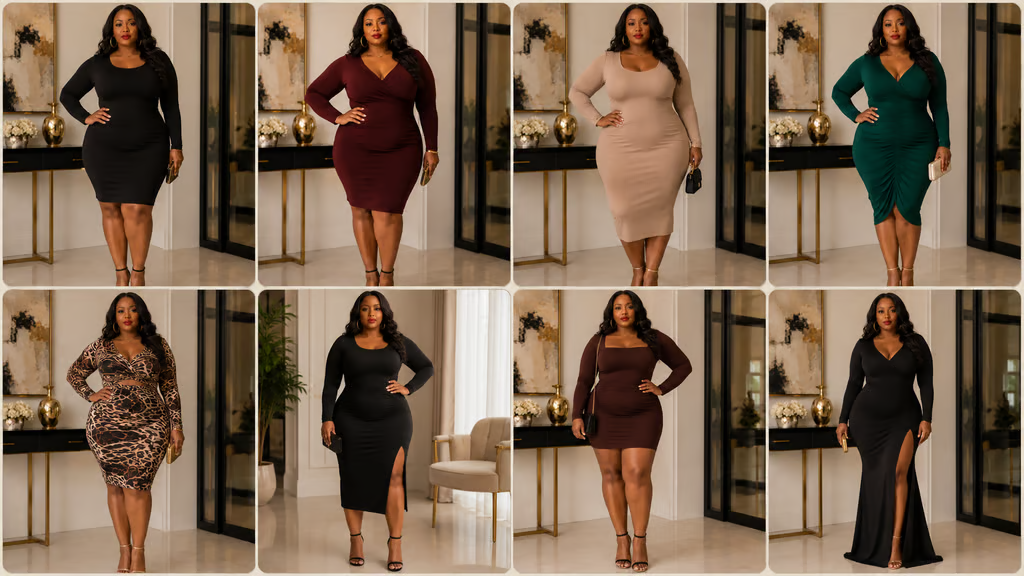


 Burgundy evening look
A rich-color dress paired with heels and a compact clutch for a polished finish.
Shop the burgundy look
Burgundy evening look
A rich-color dress paired with heels and a compact clutch for a polished finish.
Shop the burgundy look
 Black ruched look
Ruching adds texture to a monochrome party outfit with minimal accessories.
Shop the black ruched look
Black ruched look
Ruching adds texture to a monochrome party outfit with minimal accessories.
Shop the black ruched look
 Burgundy evening look
A rich-color dress paired with heels and a compact clutch for a polished finish.
Shop the burgundy look
Burgundy evening look
A rich-color dress paired with heels and a compact clutch for a polished finish.
Shop the burgundy look
 Classic black look
A simple black fitted dress creates a versatile base for heels, flats or a blazer.
Shop the classic black look
Classic black look
A simple black fitted dress creates a versatile base for heels, flats or a blazer.
Shop the classic black look
 Black ruched look
Ruching adds texture to a monochrome party outfit with minimal accessories.
Shop the black ruched look
Black ruched look
Ruching adds texture to a monochrome party outfit with minimal accessories.
Shop the black ruched look
 Emerald formal look
A long velvet-style silhouette and metallic accessories suit an evening dress code.
Shop the formal emerald look
Emerald formal look
A long velvet-style silhouette and metallic accessories suit an evening dress code.
Shop the formal emerald look
 Olive casual look
A denim jacket and white sneakers relax the fitted ribbed silhouette.
Shop the casual olive look
Olive casual look
A denim jacket and white sneakers relax the fitted ribbed silhouette.
Shop the casual olive look