
Table of contents
Introduction: The Science of Pure Water and Its Importance
Reverse osmosis (RO) is a sophisticated and highly effective water purification process that meticulously removes contaminants and impurities by forcing water through a semi-permeable membrane. This guide delves into the intricate mechanisms of reverse osmosis, exploring its scientific underpinnings, key components, and diverse applications. The increasing global concern over water quality, driven by the presence of various contaminants in tap water and their potential health implications, underscores the critical need for advanced water purification methods like RO. This report aims to provide a comprehensive understanding of why reverse osmosis is a preferred method for producing clean and safe drinking water, positioning it as a vital technology for enhancing public health and environmental sustainability. The following sections will detail the scientific principles, system components, step-by-step operation, benefits, limitations, advanced applications, comparisons with other filtration methods, essential maintenance practices, relevant industry standards, and the historical evolution of RO technology.
2026 RO accuracy note: Reverse osmosis uses pressure to move water through a semipermeable membrane and is often combined with sediment/carbon prefiltration and post-treatment. Actual contaminant reduction depends on the membrane, system design and verified certification/claims for the specific model; no single RO system removes every possible contaminant.

Understanding Osmosis: The Natural Phenomenon Explained
At the heart of reverse osmosis lies the natural process of osmosis. Osmosis describes the spontaneous movement of water molecules (the solvent) across a semi-permeable membrane from an area of lower solute concentration to an area of higher solute concentration. This movement occurs in an effort to equalize the concentration of solutes on both sides of the membrane. The driving force behind this natural phenomenon is known as osmotic pressure. This pressure arises from the difference in solvent concentration across the membrane, leading to a reduction in the Gibbs free energy of the system as water moves into the more concentrated solution. wikipedia.
The “reverse” in reverse osmosis signifies a fundamental reversal of this natural process. Instead of water flowing from dilute to concentrated, an external pressure is applied to the water on the side with a higher solute concentration. This applied pressure must be greater than the natural osmotic pressure. By overcoming this inherent pressure, water molecules are forced through the semi-permeable membrane, leaving behind the dissolved contaminants and impurities on the pressurized side. The purified water, known as permeate, passes to the other side, while the concentrated impurities are flushed away as wastewater. This engineered reversal allows for the highly effective separation of water from a wide array of dissolved and suspended substances. wikipedia.
The Reverse Osmosis Process: Step-by-Step Purification
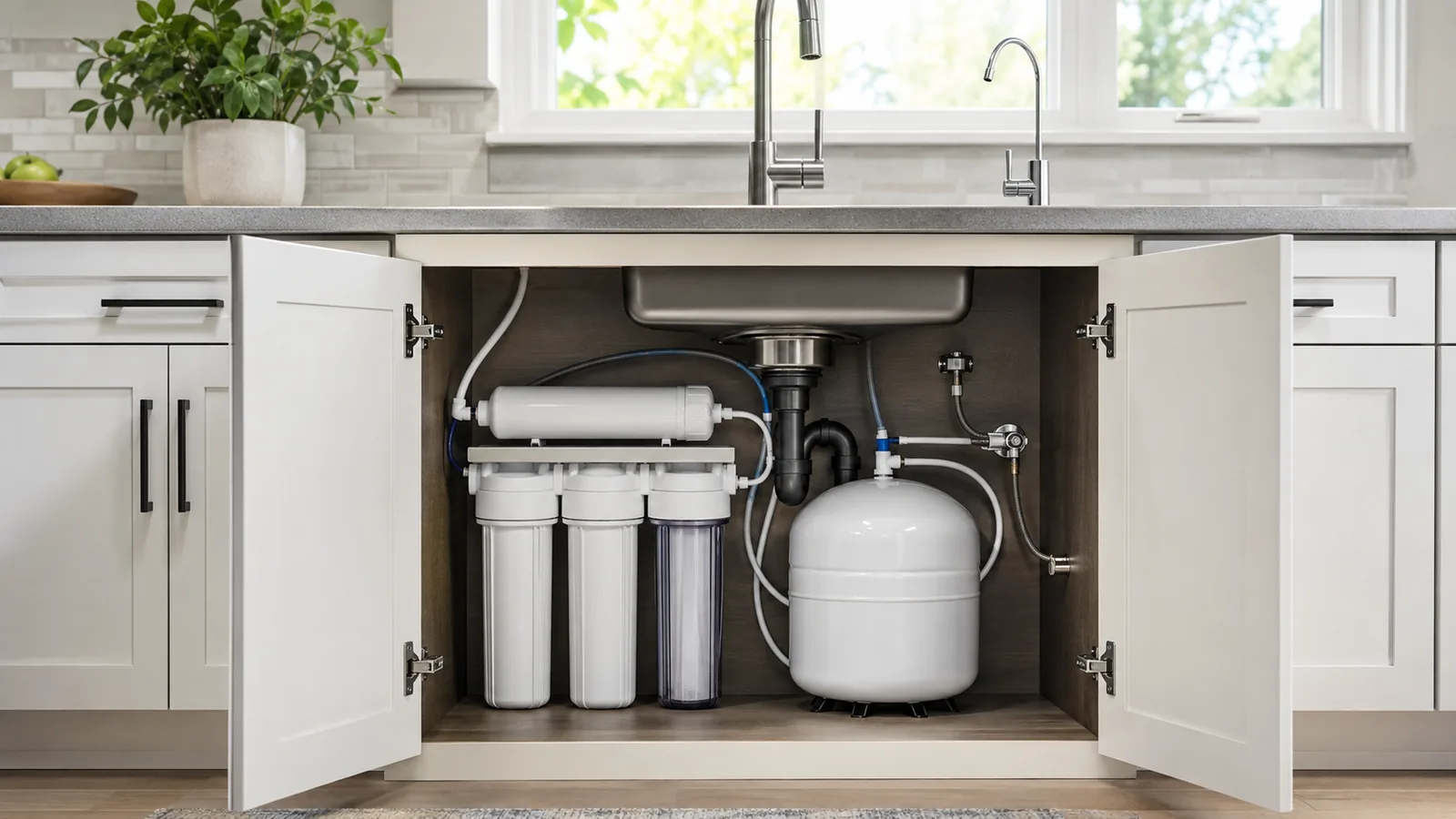
A reverse osmosis system is not a single filter but rather a multi-stage purification process, typically involving several specialized filters working in sequence before and after the main RO membrane. Each stage plays a crucial role in ensuring the longevity of the system and the purity of the water produced.
1. Pre-Filtration: Essential Protection
The initial stages of an RO system are dedicated to pre-filtration, a critical step designed to protect the delicate RO membrane from damage and premature clogging. Water first enters the system and passes through these pre-filters, which remove larger particles and chemicals that could otherwise degrade the membrane’s performance. dropconnect.com.
- Sediment Filter: This filter is typically the first line of defense, trapping larger particulate matter such as sediment, dirt, sand, and rust. This physical barrier prevents these abrasive particles from reaching and damaging subsequent filters and the RO membrane.
- Carbon Filters: Following the sediment filter, water usually passes through one or more carbon filters, which can include Activated Carbon (AC), Carbon Block (CB), Granular Activated Carbon (GAC), or CTO filters. These filters are paramount for removing chlorine, chloramines, volatile organic compounds (VOCs), and other organic compounds. Chlorine, commonly used in municipal water treatment, is particularly detrimental to Thin Film Composite (TFC) membranes, the most common and efficient type of RO membrane today. Without effective chlorine removal, the RO membrane would quickly degrade, leading to reduced performance and a significantly shortened lifespan. The inclusion of these pre-filters is a testament to the interconnected design of modern RO systems, where each component contributes to the overall effectiveness and durability of the purification process. dropconnect.com.
2. The RO Membrane: Precision Filtration
The RO membrane is the core component and the heart of the reverse osmosis system. After pre-treatment, water is directed to this membrane, where a pump applies significant pressure, forcing the water through its incredibly fine pores. This applied pressure is essential to overcome the natural osmotic pressure, allowing only water molecules to pass through while effectively blocking dissolved contaminants.
The pore size of an RO membrane is exceptionally small, typically around 0.0001 micron or approximately 0.2 nanometers. This minute pore size classifies reverse osmosis as “hyperfiltration,” representing the final and most stringent stage of membrane filtration. Contaminants, being larger than the water molecules, are rejected by the membrane and are continuously flushed away from the system as a concentrated stream of “reject water” or “brine”. Modern RO systems predominantly utilize Thin Film Composite (TFC) membranes due to their superior efficiency and broader tolerance to varying pH levels compared to older Cellulose Acetate (CA) membranes. The precision of this membrane is what enables RO systems to achieve such high levels of water purity. www.che.utah.edu.
3. Post-Filtration: Enhancing Taste and Quality
Once water has passed through the RO membrane, it undergoes post-filtration. This stage is designed to polish the water, removing any residual tastes or odors that might remain. Often, a granular activated carbon (GAC) filter is used for this purpose .
A crucial, though often optional, component in this stage is the remineralization filter. While RO is exceptionally effective at removing contaminants, its thoroughness also means it removes beneficial minerals like calcium, magnesium, and potassium. This demineralization can result in water with a slightly acidic pH and a “flat” taste. The remineralization filter addresses this by reintroducing a balanced profile of these essential minerals, which not only significantly improves the water’s taste, giving it a crisp, natural quality reminiscent of spring water, but also helps balance its pH, typically raising it to a more neutral or mildly alkaline range (7.0-8.5). Beyond taste and pH, these reintroduced minerals contribute to various health benefits, including supporting bone health, cardiovascular function, and electrolyte balance. The inclusion of a remineralization filter proactively addresses a common concern regarding demineralized water, ensuring the water is not only pure but also palatable and nutritionally beneficial. This demonstrates a balanced, user-centric approach to water purification, enhancing the overall trustworthiness of the system. www.freshwatersystems.com
4. Storage and Dispensing: Ready for Consumption
The final stage involves collecting and dispensing the purified water. After passing through the post-filters, the clean water is typically stored in a pressurized storage tank, making it readily available on demand. From the storage tank, the purified water is delivered to the user through a dedicated faucet, usually installed at the kitchen sink. Many systems also offer the convenience of connecting to refrigerator ice makers and water dispensers, providing purified water throughout the kitchen. This multi-stage process, from initial pre-treatment to final dispensing, ensures that the water is meticulously purified and conveniently accessible for daily use.


 Sponsored Ad – Amazon.com
What Contaminants Does Reverse Osmosis Remove?
Reverse osmosis systems are renowned for their comprehensive ability to remove a wide spectrum of impurities from water, often achieving a reduction of up to 99.99% of 90 different contaminants. This extensive purification capability is a primary reason for RO’s widespread adoption in various applications. www.aquasana.com.
Detailed Categories and Health Effects:
- Dissolved Salts & Total Dissolved Solids (TDS): RO is highly effective at reducing dissolved salts such as sodium, calcium, and magnesium, as well as sulfates, significantly lowering the overall Total Dissolved Solids (TDS) content in water. Lower TDS levels are indicative of purer, cleaner water.
- Heavy Metals:
- Chemicals & Disinfectants:
- Microorganisms:
- Bacteria, Viruses, Protozoa (Cysts): RO systems are highly capable of removing most harmful microorganisms, significantly reducing the risk of waterborne diseases and providing an essential layer of protection against various infections. While RO is highly effective, for specific concerns, particularly with untreated water sources, combining RO with other methods like UV light purification can offer increased efficiency for microbial removal. This multi-barrier approach ensures the highest level of safety. www.freshwatersystems.com. puresoftwatertreatments.
- Other Impurities:
- Microplastics: These pervasive contaminants are effectively removed by RO systems.
- Asbestos: RO systems are also capable of removing asbestos fibers.
The comprehensive removal capabilities of reverse osmosis systems translate directly into significant health benefits and peace of mind for consumers. The ability to eliminate such a wide array of contaminants, many of which pose serious health risks, elevates RO to a critical technology for ensuring safe and healthy drinking water.
Table: Key Contaminants Removed by Reverse Osmosis and Their Health Implications
Benefits of Reverse Osmosis Systems: Why RO is a Preferred Choice
Investing in a reverse osmosis system offers a multitude of advantages that extend beyond mere water purification, encompassing significant health, financial, and environmental benefits.
1. Superior Water Quality & Taste Enhancement
RO systems produce water that is virtually free from harmful contaminants, making it exceptionally safe for both drinking and cooking. One of the most immediately noticeable benefits is the dramatic improvement in water taste and odor. By effectively removing chlorine, chloramines, and other chemicals that impart unpleasant flavors and smells, RO water gains a crisp, clean, and natural taste. This enhanced palatability also translates to improved flavors in food and beverages prepared with RO water, allowing ingredients to shine without interference from tap water impurities. www.culligan.com
2. Health & Safety Assurance
The primary objective of water purification is to safeguard health. RO systems excel in this regard by significantly reducing exposure to a wide array of harmful substances, including heavy metals like lead, arsenic, and mercury, as well as emerging contaminants like PFAS and various microorganisms. This comprehensive contaminant removal contributes to better long-term health outcomes and provides invaluable peace of mind, knowing that the drinking water consumed by a household is of the highest purity. This holistic approach to water quality directly supports overall well-being.
3. Cost Savings & Environmental Responsibility
From an economic standpoint, an RO system offers substantial long-term savings by drastically reducing or eliminating the need to purchase expensive bottled water. Beyond the financial benefits, RO systems are a powerful tool for environmental responsibility. They minimize plastic waste associated with single-use water bottles, thereby contributing to environmental sustainability and lowering a household’s carbon footprint. Furthermore, advancements in RO technology, such as EPA WaterSense labeled systems, offer improved water efficiency, significantly reducing the amount of wastewater produced during the filtration process. This commitment to efficiency underscores a proactive approach to environmental stewardship.
4. Convenience & Versatility for Home and Beyond
RO systems provide an on-demand supply of high-quality water directly from a dedicated faucet, or seamlessly connected to refrigerators for ice and water dispensing. Compared to water filter pitchers, RO systems require less frequent filter changes, offering greater convenience. The versatility of reverse osmosis extends beyond residential use, finding critical applications in commercial settings like restaurants and food processing, as well as in diverse industrial processes. This broad applicability highlights RO’s adaptability as a premier water purification solution.
Limitations and Key Considerations of Reverse Osmosis
While reverse osmosis offers unparalleled purification, it is important to acknowledge certain limitations and understand how modern advancements and practices address them. A comprehensive understanding of these aspects allows for informed decision-making and optimal system management.
1. Water Wastage: Addressing Efficiency and Solutions
One of the most frequently cited concerns with traditional RO systems is the production of wastewater, also known as reject water or brine. Older or less efficient systems can generate a significant amount of wastewater, sometimes as much as 5 to 10 gallons for every gallon of purified water produced. This can be a concern in areas with water scarcity or for environmentally conscious consumers.
However, significant advancements have been made to mitigate this. The U.S. Environmental Protection Agency (EPA) has introduced the WaterSense label for point-of-use RO systems, certifying models that demonstrate superior water efficiency. These WaterSense labeled systems are designed to send no more than 2.3 gallons of water down the drain for every gallon of purified water produced, representing an efficiency rating of at least 30%. Adopting such systems can lead to substantial water savings, potentially over 3,100 gallons per year for an average household.
Another innovative solution is the permeate pump. This non-electric, water-saving device utilizes the hydraulic energy of the brine water (the water normally sent down the drain) to assist in pushing purified water into the storage tank. Permeate pumps dramatically improve system efficiency, reducing wastewater by up to 80% and increasing water production rates by up to 50%. They also contribute to a longer membrane lifespan by maintaining optimal pressure across the membrane. Furthermore,
tankless RO systems represent a modern design that is often more compact and can offer better pure-to-drain ratios, further enhancing efficiency. These innovations demonstrate a continuous effort within the industry to address and overcome the challenge of water wastage, transforming a potential drawback into a manageable consideration.
2. Mineral Removal: The Debate and Remineralization Solutions
The highly effective filtration process of RO systems removes nearly all dissolved solids, including beneficial minerals such as calcium, magnesium, and potassium. This results in demineralized water that can be slightly acidic and may have a “flat” or “metallic” taste due to the absence of these minerals.
Health Implications of Demineralized Water (WHO Guidelines):
The World Health Organization (WHO) has raised concerns regarding the long-term consumption of demineralized water. A 1980 WHO report concluded that completely demineralized water not only possesses unsatisfactory organoleptic properties (taste) but also has a definite adverse influence on human and animal organisms. The potential health consequences of low mineral content water include:hidroplus.co.
- Direct Effects on Metabolism and Mineral Homeostasis: Demineralized water can negatively impact the intestinal mucous membrane, metabolism, and the body’s mineral balance. It may lead to increased urine output and accelerated excretion of essential intra- and extracellular ions, resulting in a negative balance of these vital elements. Initial symptoms can include tiredness, weakness, and headache, progressing to muscular cramps and impaired heart rate in more severe cases.
- Nutrient Deficiency: Water with practically zero intake of essential calcium and magnesium has been linked to increased morbidity and mortality from cardiovascular disease (CVD) in epidemiological studies dating back to the early 1960s. Soft water intake (low in calcium) may also be associated with a higher risk of fracture in children, certain neurodegenerative diseases, pre-term birth, low birth weight, and some types of cancer.
- Loss in Food Preparation: When demineralized water is used for cooking, it can cause substantial losses of essential elements from food, including vegetables, meat, and cereals. Losses can reach up to 60% for magnesium and calcium, and even more for other microelements like copper (66%), manganese (70%), and cobalt (86%).
- Increased Risk from Toxic Metals: Low-mineralized water is inherently unstable and highly aggressive. It readily absorbs metals and organic substances from pipes, coatings, storage tanks, and fittings it comes into contact with. Furthermore, it is less capable of forming low-absorbable complexes with certain toxic substances, potentially increasing the risk of adverse effects from exposure to these contaminants.
WHO Recommendations for Mineral Content in Drinking Water:
Based on these observations, the WHO has provided specific recommendations for the mineral content in drinking water:
| Parameter | Recommended Value | Source |
| Minimum Total Dissolved Solids (TDS) | 100 mg/l | WHO 1980 report |
| Optimum TDS for Chloride-Sulphate waters | 200-400 mg/l | WHO 1980 report |
| Optimum TDS for Bicarbonate waters | 250-500 mg/l | WHO 1980 report |
The Solution: Remineralization Filters
To address the concerns associated with demineralized water, modern RO systems frequently incorporate remineralization filters. These specialized cartridges, typically installed after the RO membrane and carbon filters, reintroduce essential trace minerals, most commonly calcium carbonate and magnesium oxide, back into the purified water. This process not only improves the taste and mouthfeel of the water but also balances its pH to a more neutral or mildly alkaline level (typically 7.0-8.5), which can aid in digestive comfort. The reintroduction of these minerals supports bone health, cardiovascular function, and electrolyte balance, while also protecting plumbing and appliances from the corrosive nature of low-mineral water. This approach ensures that RO water is not only exceptionally pure but also healthy and palatable for long-term consumption, aligning with international health recommendations.
3. System Flow Rate & Storage Capacity
Reverse osmosis filtration can be a relatively slow process, with water production rates typically measured in Gallons Per Day (GPD). While a 50 GPD membrane might produce enough water for most users (about two gallons per hour to refill the tank after a gallon is drawn), households with high demand might find the storage tank capacity limiting. In situations with low incoming water pressure, a booster pump can be installed to increase the pressure, thereby improving the flow rate and overall production capacity of the system. This allows the system to operate more efficiently and meet the water demands of larger households or commercial applications.
4. Initial Investment & Ongoing Maintenance
The initial installation and ongoing maintenance costs of an RO system can be higher compared to simpler filtration systems like basic carbon filters. However, this initial investment is often offset by significant long-term savings from no longer needing to purchase bottled water. When considering the comprehensive purification capabilities and the health and environmental benefits, the investment in an RO system represents a valuable long-term solution for high-quality drinking water.
Advanced Applications of Reverse Osmosis Technology
Beyond residential use, reverse osmosis technology has evolved to become indispensable across a wide array of sectors, addressing critical global challenges such as water scarcity and environmental sustainability.
1. Residential & Commercial Use Cases
In residential settings, RO systems are commonly installed under kitchen sinks to provide high-quality drinking water directly from a dedicated faucet. While whole-house RO systems exist, they are less common due to higher costs and increased wastewater production. Commercially, RO systems are widely utilized in restaurants, cafes, and food processing industries. They ensure superior water quality for cooking and beverage preparation, enhancing the taste of food and ensuring product consistency. The hospitality sector also benefits from RO to provide guests with premium drinking water. www.culligan.com.
2. Industrial Processes & Wastewater Treatment
Reverse osmosis plays a crucial role in various industrial processes where high-purity water is essential. This includes manufacturing sectors such as pharmaceuticals, electronics, and textiles, where impurities can compromise product quality. More significantly, RO technology is central to treating industrial wastewater and chemical solutions, enabling water reuse and substantially reducing environmental impact. This application is vital for industries aiming to meet stringent regulatory standards and minimize their ecological footprint. Advanced RO technologies, such as high-pressure reverse osmosis (HPRO) and high-salt reverse osmosis (HSRO), are continually emerging to address increasingly complex industrial wastewater challenges, including zero discharge treatment.
3. Desalination: A Global Water Solution
One of the most impactful applications of reverse osmosis is desalination, the process of converting seawater and brackish water into potable (drinkable) water. This is particularly vital for arid regions and coastal communities facing severe freshwater shortages, offering a sustainable solution to combat global water scarcity. Continuous advancements in membrane technology have led to the development of energy-efficient membranes, such as ultra-low energy membranes, which can reduce energy consumption by up to 20%. The integration of Energy Recovery Devices (ERDs) further optimizes operational costs by recycling energy during the desalination process, making large-scale desalination more economically viable and environmentally sustainable. This technological progress is transforming the feasibility of accessing freshwater resources globally.
4. Portable Systems & Emergency Preparedness
The adaptability of RO technology extends to portable water treatment systems, which are crucial for providing safe drinking water in emergency response situations, disaster relief operations, and to remote communities lacking established infrastructure. These compact systems are also invaluable for outdoor adventurers, ensuring access to potable water in challenging environments where clean water sources are scarce. The ability of RO to rapidly purify water in such critical scenarios underscores its importance in humanitarian efforts and self-sufficiency.
The continuous refinement and diversification of reverse osmosis applications highlight its pivotal role as a dynamic and evolving solution for water treatment, contributing significantly to public health, industrial sustainability, and global resource management.
Reverse Osmosis in Context: Comparisons with Other Water Filtration Methods
Understanding the distinctions between reverse osmosis and other common water filtration methods is crucial for consumers to select the most appropriate system based on their specific water quality concerns and needs. No single filtration method is universally superior; rather, the optimal choice depends on the contaminants present and desired water characteristics. dropconnect.com.
1. RO vs. Activated Carbon Filtration
- Reverse Osmosis (RO): RO is a multi-stage process that delivers highly purified water by forcing it through a semi-permeable membrane. It excels at removing a broad array of contaminants, including heavy metals (like lead and mercury), harmful bacteria, viruses, dissolved solids, and emerging contaminants like PFAS. A common point of discussion is that RO can demineralize water, removing beneficial minerals alongside harmful substances. RO systems typically involve a higher initial cost and, traditionally, produce more wastewater, though modern systems address these concerns.
- Carbon Filter: Carbon filters utilize activated carbon to remove contaminants through a process called chemical adsorption. They are particularly effective at removing chlorine, chloramines, volatile organic compounds (VOCs), and other organic compounds, significantly improving water taste and odor. A key advantage of carbon filters is their ability to retain essential minerals in the water. They generally have a lower initial cost and simpler maintenance requirements. However, carbon filters are less effective against hard water minerals, heavy metals, or certain microbial contaminants.
- Synergy: It is important to note that RO systems often incorporate carbon pre-filters as a crucial initial stage. This synergistic approach leverages the strengths of both methods, with carbon filters protecting the RO membrane from chlorine and organic fouling, leading to a more comprehensive and effective purification system.
2. RO vs. Distillation
- Reverse Osmosis (RO): RO is a pressure-driven, multi-stage filtration process that separates contaminants using a semi-permeable membrane. It effectively removes most contaminants, including some bacteria and viruses, and can be paired with remineralization filters to improve taste and reintroduce beneficial minerals. RO systems are generally more efficient in terms of water production rate (Gallons Per Day) and operating cost per gallon compared to distillation.
- Distillation: Water distillers operate by boiling water and then collecting the condensed steam, leaving most contaminants behind in the boiling chamber. This process effectively removes inorganic compounds, elements contributing to water hardness, and eliminates bacteria and viruses by killing them during boiling. However, distilled water typically has a flat, bland taste due to the complete absence of minerals. Distillation is also a more energy-intensive and slower process, resulting in higher operating costs per gallon and a significantly slower production rate, making it less suitable for high-volume needs like cooking.
- Key Difference: A fundamental distinction lies in their mechanisms: boiling water kills microbes but concentrates non-volatile contaminants, which are then left behind as the pure steam is collected in distillation. RO, conversely, physically filters contaminants through a membrane under pressure.
3. RO vs. Ultrafiltration (UF)
- Reverse Osmosis (RO): Classified as hyperfiltration, RO membranes possess an extremely small pore size, approximately 0.0001 micron. This allows RO to effectively remove very small solutes, including dissolved solids, inorganic ions, and most bacteria and viruses. RO systems require higher operating pressures to force water through these ultra-fine pores.
- Ultrafiltration (UF): UF membranes have larger pores compared to RO, typically ranging from 0.002 to 0.1 microns. UF is designed to remove macromolecular solutes, particulates, suspended solids, bacteria, and some viruses. It operates at lower pressures than RO and selectively retains species based on their size, charge, and composition. However, UF does not effectively remove dissolved salts or small ions.
- Application:Ultrafiltration is often employed as a pre-treatment step for RO systems to remove larger particles and extend the life of the RO membrane, or in applications where the removal of dissolved solids is not a primary concern.
The selection of a water filtration method should be based on a thorough assessment of the specific water contaminants present, the desired level of purity, and practical considerations such as cost, maintenance, and water usage. The comprehensive capabilities of RO, often enhanced by integrating other filtration stages, position it as a leading solution for achieving highly purified drinking water.
Table: Reverse Osmosis vs. Other Water Filtration Methods
Maintaining Your Reverse Osmosis System: Tips for Optimal Performance and Longevity
Regular and diligent maintenance is paramount to ensuring the optimal performance, consistent water quality, and extended lifespan of a reverse osmosis system. Neglecting maintenance can lead to decreased efficiency, compromised water purity, and even system damage.www.freshwatersystems.com
1. Regular Filter & Membrane Replacement Schedules
Adhering to recommended replacement schedules for filters and membranes is critical:
- Pre-filters (Sediment, Carbon): These filters, which protect the delicate RO membrane, should typically be changed every 6 to 12 months. In areas with particularly poor water quality or high usage, more frequent replacement may be necessary.
- RO Membrane: The core component, the RO membrane, generally requires replacement every 2 to 5 years. Its lifespan is heavily influenced by the quality of the incoming water (specifically its TDS level) and the effectiveness of the pre-filtration stages.
- Remineralization Filter: If present, the remineralization filter typically needs replacement every 6 to 12 months, depending on consumption and source water quality.
Failing to replace filters and membranes on time can have significant consequences. Clogged filters will reduce water production and pressure, while a degraded RO membrane will lead to a decline in water quality, potentially making the filtered water worse than untreated tap water. This highlights the interconnectedness of the system’s components; the health of one filter directly impacts the performance and purity delivered by the others.
2. Monitoring Water Quality (TDS Meters)
Periodically monitoring the purity of the filtered water using a Total Dissolved Solids (TDS) meter is a simple yet effective maintenance practice. A sudden or gradual increase in the TDS reading of the purified water often indicates that the RO membrane is failing and needs replacement, allowing for proactive maintenance before water quality is significantly compromised.
3. System Sanitization & Leak Prevention
- Sanitization: It is recommended to clean and sanitize the entire RO system annually to prevent bacterial growth, especially within the storage tank and carbon filters. This ensures the system remains hygienic and continues to deliver safe drinking water.
- Leak Checks: Regularly inspecting all tubing and connections for any signs of leaks is crucial to prevent water waste and potential damage. Ensuring that tubing is fully pushed into fittings and that O-rings are properly lubricated and seated are key preventative measures against leaks.
4. Troubleshooting Common RO System Issues
Understanding common issues and their solutions empowers users to maintain their systems effectively, transforming potential problems into manageable situations. The system’s components are interconnected, meaning a problem in one area can manifest as a symptom elsewhere.
- Low Water Pressure/Slow Flow:
- Causes: This is frequently caused by clogged pre-filters (sediment, carbon) or a fouled RO membrane. Other causes include a ruptured air bladder in the storage tank, kinks or pinches in the water lines, or insufficient incoming feed water pressure (which should ideally be above 40 psi). Low pressure within the RO system’s storage tank (below 5-7 psi) can also contribute.
- Solutions: Replace clogged filters and membranes as per schedule. Check the storage tank’s air pressure with a tire gauge and repressurize it to 5-7 psi using a bicycle pump; if the bladder is ruptured, the tank needs replacement. Straighten any kinks in the water lines. If feed water pressure is consistently low, consider installing a booster pump.
- Continuous Water Draining:
- Causes: If water continuously runs to the drain, it often indicates a fault with the Automatic Shut-Off (ASO) valve or the check valve, which are designed to stop water flow once the storage tank is full. A missing or malfunctioning flow restrictor can also lead to excessive drainage. Clogged filters or membranes can prevent the system from building enough pressure to trigger the shut-off.
- Solutions: Test the ASO valve by turning off the tank valve to see if drainage stops. Inspect the flow restrictor and ensure it is present and functioning. Check the condition of the filters and membrane and replace if clogged. Ensure stable pressure in the tank.
- Leaking System:
- Causes: Leaks commonly arise from loose fittings, worn-out O-rings, or damage to filter housings. Improper installation, scratched tubing, or high levels of contaminants in feed water leading to air gap leaks can also cause issues.
- Solutions: Ensure all fittings are tight and tubing is fully inserted. Inspect O-rings for wear and lubricate or replace them as needed. Check pre-filter or membrane housings for cracks and replace if damaged. Replace any worn or scratched tubing.
- Milky/Cloudy Water:
- Causes: This appearance is often due to air trapped within the RO system, particularly after filter replacements. Insufficient filtration resulting from low water pressure or very high Total Dissolved Solids (TDS) levels in the incoming water can also lead to milky or cloudy output.
- Solutions: Remove trapped air by tilting the system or drawing several glasses of water from the faucet. Ensure that the incoming water pressure is adequate (at least 40 psi). Use a TDS meter to check the TDS level of the filtered water; if it’s high, the membrane may need replacement.
This proactive approach to maintenance and a clear understanding of troubleshooting steps are essential for maximizing the efficiency and lifespan of an RO system, ensuring consistent access to high-quality purified water.
Table: Common Reverse Osmosis System Troubleshooting Guide
Ensuring Quality: Certifications and Standards
For residential water treatment systems, including reverse osmosis units, there are no federal regulations that mandate specific performance standards. However, a robust framework of voluntary national standards and protocols has been developed by independent organizations to establish minimum requirements for product safety and performance. These certifications are crucial for consumers seeking assurance in the effectiveness and reliability of their water purification systems. www.nsf.org.
Key Certifications:
NSF/ANSI Standards: NSF International, in collaboration with the American National Standards Institute (ANSI), develops comprehensive standards for water treatment products. The numbers in these standards reflect their development order, not a ranking.
- NSF/ANSI 58: This standard specifically applies to Reverse Osmosis Systems. Certification under NSF/ANSI 58 verifies that the RO system effectively reduces contaminants regulated by the U.S. Environmental Protection Agency (EPA) and Health Canada.
- NSF/ANSI 42: This standard certifies filters designed to reduce aesthetic impurities in water, such as chlorine, and improve taste and odor.
- NSF/ANSI 53: This standard certifies filters that reduce contaminants with established health effects, as regulated by the EPA and Health Canada. Examples include lead and cysts.
- NSF/ANSI 401: This standard covers treatment systems for emerging contaminants, including pharmaceuticals and various chemicals not yet regulated by the EPA or Health Canada.
- EPA WaterSense Label: The U.S. Environmental Protection Agency’s WaterSense label identifies point-of-use RO systems that are significantly more water-efficient than typical models. To earn this label, an RO system must demonstrate an efficiency rating of at least 30%, meaning it sends no more than 2.3 gallons of water down the drain for every gallon of treated water produced. This certification empowers consumers to choose products that minimize water waste while maintaining high performance.
- Water Quality Association (WQA) Certified: The Water Quality Association (WQA) is another reputable third-party organization that provides certification for water treatment products. Products bearing the WQA Gold Seal are rigorously tested to ensure they meet industry standards for performance, capacity, and material safety.
When considering an RO system, consumers are advised to always look for these certifications. They serve as independent verification that the system has been tested and meets specific performance claims, providing assurance of its effectiveness, reliability, and adherence to quality standards. Understanding these certifications allows consumers to make informed choices that align with their specific water quality concerns and environmental priorities.
The Evolution and Future of RO Technology
The journey of reverse osmosis technology is a testament to scientific ingenuity and persistent innovation, driven by the fundamental human need for clean water.
Brief History of Reverse Osmosis:
The foundational concept of osmosis was first observed in 1748 by French physicist Jean Antoine Nollet, who used a pig bladder as a semi-permeable membrane to demonstrate water movement between solutions of different concentrations. However, it took centuries for this natural phenomenon to be harnessed for practical water purification. www.unisol-global.com
The mid-20th century marked a pivotal period. In the 1950s, the U.S. government, notably under the Kennedy administration, began funding desalination research through the Office of Saline Water (OSW) to address growing water scarcity issues. During this era, Gerald Hassler of UCLA coined the term “reverse osmosis” in 1956, and Professor Charles Reid’s team at the University of Florida conducted early research into desalination osmotic membranes.
A significant breakthrough occurred in 1958-1959 when Sidney Loeb and Srinivasa Sourirajan at UCLA developed the first high-performance synthetic asymmetric cellulose acetate (L-S) membrane. This innovation was critical, as it provided the technical basis for reverse osmosis to move from a theoretical concept to a large-scale engineering application, making the production of fresh water from saline sources feasible at an acceptable cost. This led to the construction of the world’s first commercial RO plant in Coalinga, California, in 1965.
The 1960s and 1970s saw further developments, including the design of hollow fiber membranes by Dow Chemical and DuPont, and the invention of microporous polysulfone support membranes by John E. Cadotte. A landmark moment arrived in 1979 when Cadotte patented the first thin-layer composite (TFC) membrane prepared by interfacial polymerization. This TFC process revolutionized the industry, becoming the standard preparation method for modern commercial reverse osmosis membranes due to their superior performance. Concurrently, in 1965, Donald T. Bray patented the multi-diaphragm coiled (spiral-wound) RO membrane module, establishing the fundamental structure of the universal coiled RO modules used today. This historical progression illustrates how scientific curiosity, government support, and entrepreneurial vision collectively drove the transformation of a basic principle into a widespread, impactful technology.
Future Innovations:
The evolution of RO technology is far from complete, with ongoing research and development focused on enhancing its efficiency, sustainability, and applicability.
- Energy Efficiency: Future innovations will continue to prioritize energy efficiency. This includes the development of even more advanced ultra-low energy membranes and the widespread integration of Energy Recovery Devices (ERDs) into systems to significantly reduce power consumption and operational costs. axeonsupply.com
- Smart Monitoring & AI: The integration of artificial intelligence (AI) and smart monitoring systems is poised to revolutionize RO system management. These technologies will enable predictive maintenance, optimizing system performance, preventing costly downtime, and further reducing operational expenses.
- Sustainability: A major focus will be on improving the sustainability of RO processes. This includes developing advanced brine minimization strategies to reduce waste disposal costs and environmental impact, as well as integrating RO more deeply into the circular water economy to facilitate industrial water reuse and recycling.
- New Membrane Materials: Research into novel membrane materials promises to yield more durable, efficient, and specialized membranes capable of targeting specific contaminants or operating under more challenging conditions.
These future innovations underscore the dynamic nature of water treatment technology, continuously adapting to meet the escalating global demand for clean water while simultaneously addressing environmental and economic considerations.
Conclusion: Investing in Your Water Future
Reverse osmosis stands as a reliable, efficient, and comprehensive method for purifying water, offering a compelling blend of superior water quality, tangible health benefits, and significant environmental advantages. From its scientific origins in osmosis to its modern multi-stage systems, RO technology has consistently evolved to address complex water contamination challenges, providing a robust solution for ensuring safe and clean drinking water.
The detailed examination of RO’s capabilities highlights its effectiveness in removing a vast array of harmful substances, from heavy metals and industrial chemicals to microorganisms and emerging contaminants like PFAS. While concerns regarding water wastage and mineral removal have historically been noted, ongoing innovations such as WaterSense labeled systems, permeate pumps, and remineralization filters have largely mitigated these limitations, making modern RO systems both highly efficient and health-conscious.
Choosing a reverse osmosis system is more than just purchasing a filter; it is an investment in personal health, household well-being, and a more sustainable lifestyle. By providing on-demand access to highly purified water, RO systems eliminate the need for single-use plastic bottles, reducing plastic waste and lowering carbon footprints. The long-term financial savings from foregoing bottled water further underscore the economic wisdom of this investment. Ultimately, embracing an RO system is a proactive step towards ensuring consistent access to clean, safe, and great-tasting water, providing invaluable peace of mind for families and contributing to a healthier planet.
Frequently Asked Questions (FAQs) about Reverse Osmosis
What is demineralized RO water, and are there health concerns?
Demineralized RO water refers to water from which nearly all dissolved solids, including beneficial minerals like calcium and magnesium, have been removed by the reverse osmosis process. The World Health Organization (WHO) has issued warnings about potential negative health effects of long-term consumption of low-mineral water. These include the water potentially leaching essential minerals from the body (especially bones and teeth), reduced hydration efficiency, and an increased risk from toxic metals due to the water’s aggressive nature. To address these concerns, modern RO systems often incorporate remineralization filters that reintroduce essential minerals, improving taste and health benefits.
Is RO water safe to drink long-term?
Yes, RO water is safe and beneficial for long-term consumption, especially when equipped with a remineralization filter. While the RO process itself removes beneficial minerals, a remineralization stage ensures the water retains essential elements, balancing its pH and improving taste. Without remineralization, long-term intake of demineralized water may pose health risks as outlined by the WHO, due to its low mineral content and potential to draw minerals from the body.
How often should RO filters and membranes be replaced?
The replacement schedule for RO system components varies based on water quality and usage. Generally, pre-filters (sediment and carbon) should be changed every 6 to 12 months. The RO membrane, the core filtration component, typically lasts 2 to 5 years. If your system includes a remineralization filter, it usually requires replacement every 6 to 12 months. Neglecting these replacements can lead to compromised water quality, decreased water production, and potential damage to the system.
Does RO remove beneficial minerals?
Yes, reverse osmosis is highly effective at removing a wide range of dissolved solids, including beneficial minerals like calcium, magnesium, and potassium. This is why many modern RO systems include a remineralization filter as a post-treatment stage. This filter reintroduces essential minerals back into the purified water, which not only enhances the taste but also provides important health benefits and balances the water’s pH.
How much wastewater does an RO system produce?
Traditional RO systems can produce a significant amount of reject water, often ranging from 5 to 10 gallons of wastewater for every gallon of purified water produced. However, significant advancements in RO technology have led to much more efficient systems. Modern, high-efficiency models, such as those with the EPA WaterSense label, can reduce wastewater significantly, producing 2.3 gallons or less of waste per gallon of purified water. Additionally, non-electric permeate pumps can further reduce wastewater by up to 80% and increase water production.
Can RO systems remove all contaminants?
RO systems are exceptionally effective, capable of removing up to 99.99% of a wide range of contaminants, including heavy metals, chemicals, and most microorganisms. However, no single filtration method can remove all possible contaminants. For specific concerns, such as certain bacteria or viruses in untreated water sources, combining an RO system with other purification methods like UV light can provide an additional layer of protection and increased efficiency.
What is the difference between RO and distilled water?
Both reverse osmosis and distillation produce very pure water, but they use different processes. RO uses pressure to force water through a semi-permeable membrane, filtering out contaminants. Distillation involves boiling water, collecting the steam, and then condensing it back into liquid, leaving impurities behind in the boiling chamber. Distillation is typically a slower and more energy-intensive process, and the resulting water often has a flat taste due to the complete absence of minerals. RO systems are generally more cost-effective per gallon and allow for the reintroduction of beneficial minerals through remineralization filters.
Is a separate faucet required for an RO system?
Typically, yes, a dedicated faucet is installed for RO water. This is primarily because RO systems produce water at a slower rate than a standard kitchen tap, making them unsuitable for high-volume uses like washing dishes. The dedicated faucet ensures that the purified water is not mixed with untreated tap water and is readily available for drinking and cooking without waiting for a large volume to filter.
Top-Rated Reverse Osmosis Systems
When selecting a reverse osmosis system, consumers often prioritize factors such as NSF certification, Gallons Per Day (GPD) rate, water efficiency (WaterSense label), number of filtration stages, and the availability of remineralization options. Based on these criteria and market reputation, several top-rated RO systems stand out:
- Waterdrop Tankless RO Systems: Models like the Waterdrop Waterdrop G2, G3P600, and G3P800 are highly regarded. These tankless designs offer space-saving benefits and often boast high pure-to-drain ratios (e.g., 3:1). Many models feature multiple filtration stages (e.g., 7-stage, 8-stage), NSF certification for contaminant reduction, smart LED faucets, and optional remineralization filters for enhanced taste and health benefits. 👉 See Waterdrop on Amazon
- APEC Water Systems: Known for premium under-sink RO systems, APEC’s Essence Premium Quality 5-Stage (ROES-50) and Ultimate Fast Flow (RO-PH90) are top sellers. Both are WQA Certified and include optional alkaline remineralization stages to improve taste and pH balance.👉 Explore APEC Systems on Amazon »
- ISPRING NSF-Certified Systems: The iSpring RCC7AK 6-Stage RO System features alkaline remineralization and is NSF-certified for PFAS, fluoride, chromium, lead, and TDS reduction. Its clear housing makes monitoring filter life simple.👉 Check iSpring RCC7AK on Amazon »
- AquaTru Countertop Water Filtration Purification Systems: No plumbing? No problem. The AquaTru w/Perfect Minerals and AquaTru Classic countertop units deliver four stages of RO and a replaceable mineral cartridge for fresh, great‑tasting water.
👉 Shop AquaTru on Amazon »
- Delta Clarifi Tankless RO System: The Delta Clarifi 6-Stage Under-Sink RO combines a space‑saving tankless design with advanced filtration, including sediment, carbon, and RO membranes, all certified to strict NSF standards.
👉 View Delta Clarifi on Amazon »
These examples represent various types of RO systems available, including under-sink, countertop, and tankless configurations, catering to diverse household needs and preferences. When choosing a system, consumers are encouraged to consider their specific water quality concerns, daily water consumption, available space, and desired features such as remineralization.
Sponsored Ad – Amazon.comResources
For further information and to delve deeper into the specifics of water quality and reverse osmosis technology, the following reputable external resources are recommended:
U.S. Environmental Protection Agency (EPA) WaterSense Program: Provides information on water-efficient products, including point-of-use reverse osmosis systems.
https://www.epa.gov/watersense/point-use-reverse-osmosis-systems- NSF International: Offers detailed information on standards for water treatment systems and product certifications. https://www.nsf.org/consumer-resources/articles/standards-water-treatment-systems
- Water Quality Association (WQA): Provides technical guidance and fact sheets on various water treatment technologies, including reverse osmosis. https://wqa.org/resources/reverse-osmosis-ro/
- World Health Organization (WHO) Report on Health Risks from Demineralised Water: A comprehensive document discussing the potential health implications of drinking water with low mineral content. (http://hidroplus.co/wp-content/uploads/2017/01/WHO-HealthRisks1.pdf)
These resources offer authoritative and detailed information that can help consumers make informed decisions about their water purification needs.
Related Articles
- Best Reverse Osmosis Systems for 2025
- How to Maintain Your Water Purification System
- Top Eco-Friendly Kitchen Gadgets You Need
- Top Countertop Water Filtration Systems in 2025