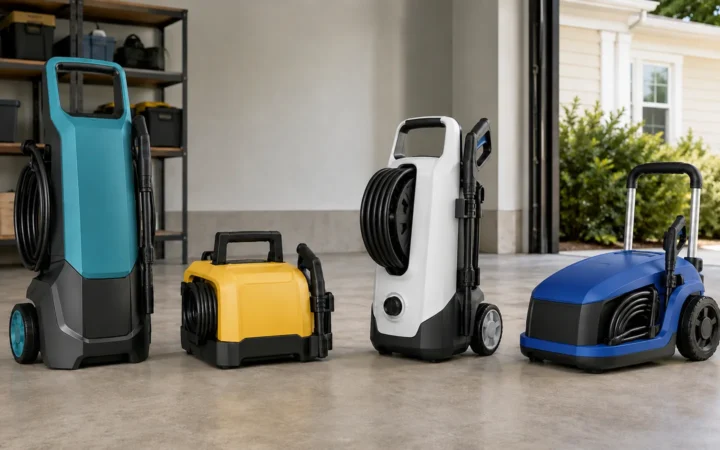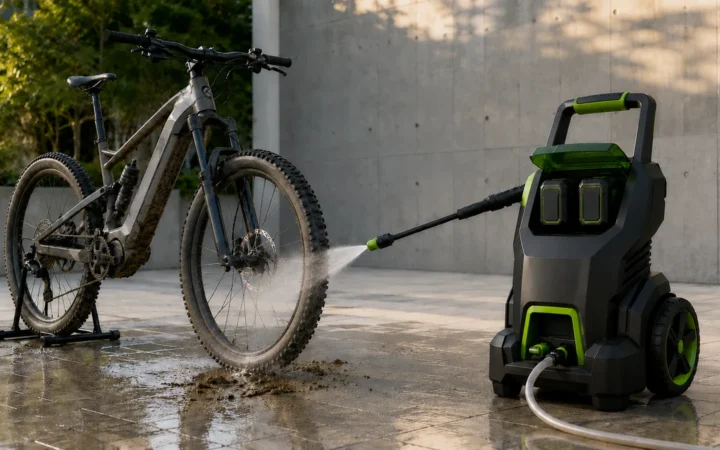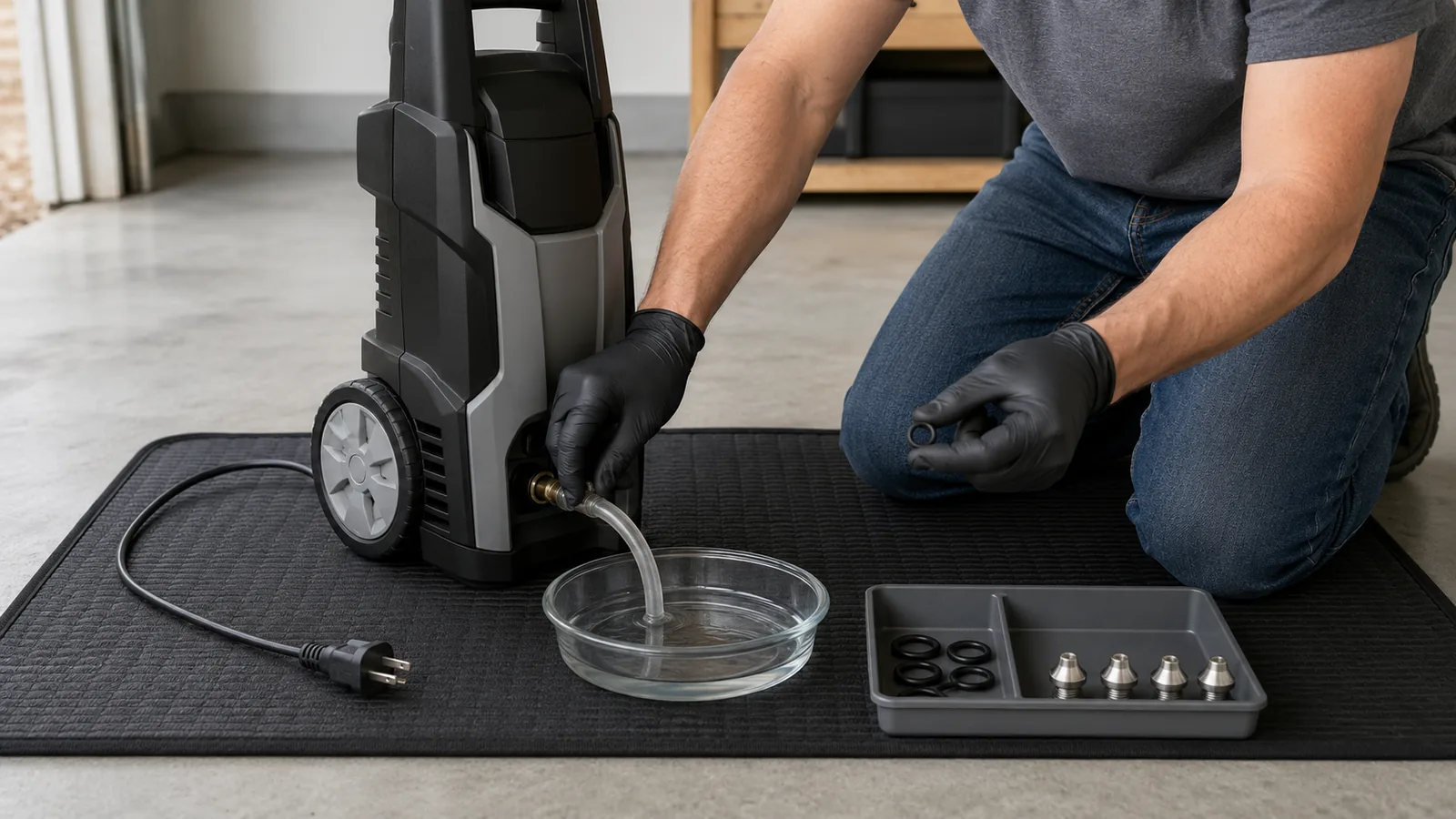

Pressure Washer Maintenance Guide: Extend Service Life turns PSI, GPM, power source, hose reach, nozzles, maintenance and surface safety into practical buying guidance rather than a specification race.
Quick Verdict
- Best for: homeowners matching cleaning power to surfaces and frequency of use.
- Focus on: PSI and GPM together, motor/engine quality, hose reach, nozzles, maintenance and warranty.
- Watch for: too much pressure can damage paint, wood, seals and other delicate surfaces.
Table of contents
Introduction
Pressure washers turn tedious chores—such as cleaning a dirty driveway or moss‑covered patio—into quick, satisfying jobs. In fact, modern pressure washers can use up to 80 % less water than a standard hosefreditech.com while blasting away grime. However, these machines operate at pressures exceeding 1 300–3 300 PSIfreditech.com; misuse can cause surface damage and serious injury. High‑pressure injection injuries may leave only a superficial puncture but can result in deep tissue damage requiring surgeryemra.org . Proper maintenance and safe operating practices are therefore essential for both performance and safety.
This guide covers everything a homeowner or professional needs to keep a pressure washer running reliably. You’ll learn how to inspect your machine before and after every use, follow a manufacturer‑approved maintenance schedule, change pump and engine oil, winterize for storage, troubleshoot common issues and operate safely. Throughout, we cite reputable sources—including industry manufacturer guidance and medical literature. We also include links to FrediTech articles on choosing and comparing pressure washers to deepen your knowledge.

Understanding Pressure Washer Components
A pressure washer uses a motor (gasoline or electric) to drive a pump that pressurizes water. Key parts include:
- High‑pressure hose and wand: Deliver the pressurized water. Quick‑connect fittings let you switch nozzles for different cleaning tasks.
- Nozzles and tips: Control spray angle and pressure. Common tips include 0°, 15°, 25°, 40° and a soap nozzle.
- Water inlet and filter: Prevent debris from entering the pump. Many machines have a small mesh screen or inline filter that needs periodic cleaning.
Understanding these parts helps you perform targeted maintenance and select replacement components when needed. For detailed buying advice, see FrediTech’s guides comparing RYOBI vs. Sun Joe pressure washers and best pressure washers for home use.
Why Pressure Washer Maintenance Matters
Routine maintenance increases reliability, efficiency and safety. Cam Spray, a U.S. manufacturer of industrial washers, notes that consistent inspection and cleaning increase the dependability and safety of your machinecamspray.com and allow you to detect issues early. Neglecting care leads to deteriorating components, costly repairs and potential injury. Regular maintenance also protects your investment: manufacturer warranties often exclude damage caused by improper storage or lack of care.ultimatewasher.com
Well‑maintained machines deliver consistent pressure, use less water and last for years. Conversely, skipping oil changes can cause pumps to overheat, while leaving water inside the system during winter can crack hoses, manifolds and valves. A simple maintenance routine therefore saves time, money and stress.
Pre‑use Inspection and Daily Care
- Check oil levels: Confirm that both the engine and pump oil are at the correct levels. Refill if necessary. Machines with water tanks should have adequate water in the tank.
- Inspect the nozzle and hose: Ensure the nozzle is secured tightly and free of debris. A clogged nozzle can cause dangerous pressure spikes. Examine the high‑pressure hose for cuts, leaks or abrasions and replace if damaged.
- Clean or rinse filters: If your washer has an inline water filter or mesh screen, remove and rinse it before operating. This prevents sand or dirt from scoring the pump.
- Check fittings and attachments: Confirm that the spray gun, detergent siphoning hose and connections are firmly attached. Loose fittings lead to leaks and pulsating spray.
During operation, periodically squeeze the trigger to keep water flowing and avoid overheating the pump. After each use:
- Flush detergent lines: Clean chemical or detergent intakes to remove residue.
- Rinse dirt and grime: Spray clean water through the wand and nozzle to clear debris.
- Drain excess water: Remove hoses and tilt the machine to drain residual water, reducing the risk of mold or freezing.
- Store properly: Keep the washer in a dry, sheltered location away from extreme temperatures or sunlight.simpsoncleaning.com
Scheduled Maintenance Intervals
After the First 5 Hours
Generac, a major engine and pressure‑washer manufacturer, advises changing the engine oil after the first five hours of use. This initial break‑in removes metal shavings and contaminants. Do not attempt to service axial‑cam pumps, which are sealed at the factory.
Every 8 Hours or Daily
Perform the following checks each day or after eight hours of operation:
- Inspect and clean the water inlet screen, replacing it if torn.
- Inspect high‑pressure hose for cuts, leaks and abrasions; keep hoses away from hot engine exhaust.
- Inspect detergent siphoning hose and filter; ensure it fits tightly on the barbed fitting and has no leaks.
- Inspect spray gun for leaks; pulsation in the trigger may signal nozzle clogs—clean the nozzle immediately.
- Remove debris from the machine and check engine oil level.
Every 20 Hours or Each Season
- Change the engine oil more often if used in dirty or dusty conditions.
Every 50 Hours or Each Season
- Inspect and clean the air cleaner filter.
- Inspect the muffler and spark arrestor; clean or replace them if clogged or damaged.
Every 100 Hours or Each Season
- Service the spark plug.
Adhering to this schedule keeps your engine running smoothly and prevents clogging or overheating. Always consult your owner’s manual for model‑specific intervals.
Pump and Engine Oil Maintenance
Why Oil Matters
Oil lubricates moving parts and dissipates heat. Gas‑powered washers use two different oils: engine oil (for the motor) and pump oil (for the pump). Family Handyman notes that while many owners realize they must change engine oil, pump oil also needs periodic replacementfamilyhandyman.com. Neglecting pump oil can cause overheating and premature failure.
Oil‑Change Frequency
Tools and Supplies
Gather these items:
- Fresh SAE 0w‑30 synthetic motor oil (or the type recommended by your manual).
- Fresh SAE 30 non‑detergent oil for the pump.
- Oil drain pan and funnels (straight and slanted).
- Socket wrench set.
Step‑By‑Step: Changing Pump Oil
- Locate the pump casing: Look for an aluminum or brass housing near the engine; it will have several hex‑head bolts.
- Find the drain plug: There is a single hex‑head bolt near the bottom with a viewing window above it.
- Drain old oil: Place a pan below the drain plug, loosen the plug with a socket wrench and remove it. To ensure complete drainage, loosen the vent bolt on top of the reservoir.
- Tilt the washer to drain residual oil.
- Replace the drain plug and pour fresh non‑detergent pump oil through the vent hole with a funnel until the level is just above the indicator line.
- Reinstall the vent bolt and wipe any spilled oil.
Step‑By‑Step: Changing Engine Oil
- Locate the engine drain plug at the bottom of the engine.
- Drain oil: Place the pan beneath, loosen and remove the plug and wait about 10 minutes for oil to drain.
- Replace the drain plug.
- Add fresh engine oil: Open the oil reservoir cap, insert a slanted funnel and slowly pour recommended engine oil, checking level frequently with the dipstick. Avoid overfilling.
- Run and recheck: Start the engine for about 20 seconds, shut it down and check both pump and engine oil levels, topping up if necessary.
Dispose of used oil responsibly at a recycling centre. Always use the specific oil types recommended by your manufacturer to avoid damaging seals and voiding your warranty.
Cleaning and Caring for Hoses, Nozzles and Filters
Storage and Winterizing
Why Winterizing Is Critical
Short‑Term (≤2 Months) Storage
Simpson Cleaning recommends these steps for short‑term storage:
- Add fuel stabilizer: Fill the fuel tank with fresh fuel plus stabilizer according to the product instructions.
- Run the engine: With hoses connected, start the engine and spray water intermittently for about 10 minutes to circulate stabilizer through the system.
- Turn off engine and water: Shut off the water supply, release pressure by squeezing the trigger and detach hoses. Allow the engine to cool.
- Clean and store: Wipe external surfaces and apply a thin film of oil to prevent rust. Store in a dry, shaded area.
Long‑Term (>2 Months) Storage
For extended storage, follow a more thorough process:
- Relieve pressure and remove hoses.
- Change engine oil and drain fuel completely, including from fuel lines and carburetor. Use a fuel valve if available to aid draining.
- Remove spark plug, pour ~15 ml of new oil into the combustion chamber and slowly pull the recoil starter twice to distribute oil. Reinstall the plug.
- Inject pump guard into the pump to purge water.
- Clean and oil exterior surfaces; store in a cool, dry location.
Antifreeze Winterizing Method
For regions with severe freezing, Ultimate Washer suggests filling the pump with a :
- Turn the machine switch to STOP and disconnect the water supply.
- Detach and drain the high‑pressure hose and trigger gun.
- Prepare about 1 gallon of 50/50 automotive antifreeze.
- Switch the machine to MOTOR ON and pour antifreeze into the float tank while immersing the detergent hose in antifreeze.
- Allow the solution to exit the pump outlet, then shut off the machine.
- Drain any gasoline from the tank and add a fuel stabilizer to stored gas.
This method prevents freezing and corrosion when storing gas pressure washers through harsh winters. Note that some manufacturers caution against using automotive antifreeze, so check your manual.
Troubleshooting Common Issues
Even with diligent care, problems can arise. Cam Spray identifies several common issues and solutions:
- Leaking water: Loose fittings, cracked O‑rings or debris‑ridden valves cause leaks. Tighten connections and replace O‑rings or valves as needed.
- Low pressure: Clogged wand, hose or inlet filter restricts flow. Flush debris from these parts to restore pressure.
- Unusual noise / no flow: Change oil frequently—every 250 hours or twice per year—to avoid water entering the crankcase. Milky oil indicates water contamination; change oil immediately and replace seals if the problem recurs.
- Pulsation: Debris blocking the nozzle or hose causes pulsating spray. Clean the nozzle and flush the wand.
Refer to your owner’s manual for model‑specific troubleshooting. If problems persist, contact a service centre.
Safety Considerations
- Check equipment: Inspect hoses, fittings and nozzle for damage before use.
- Maintain a stable stance and never point the spray at people, pets or yourself.
- Avoid ladders: Use extension wands or hire professionals for high areas.
- Do not spray electrical outlets or equipment.
- Educate users: Ensure anyone operating the washer understands the risks and has read the manual.
- Know first aid: Keep a first‑aid kit nearby and seek medical attention immediately if anyone is hit by the jet; injection injuries require urgent care.
Environmental Considerations & Efficiency
Pressure washers are more efficient than garden hoses. A typical 1 500‑PSI washer using 1.5 GPM consumes about 90 gallons per hour, whereas a garden hose can use . To maximize efficiency and reduce environmental impact:
- Use wide‑angle nozzles for light cleaning to avoid surface damage and conserve energy.
- Sweep surfaces first to remove loose dirt and reduce cleaning time.
- Use biodegradable detergents and prevent runoff into storm drains.
- Capture wastewater if cleaning oil‑stained areas to avoid contaminating soil.
Real‑World Example: Avoiding Pump Failure
Conclusion
A pressure washer is a powerful tool that makes outdoor cleaning efficient and even enjoyable. To protect your investment and stay safe, follow a structured maintenance routine:
- Inspect oil levels, hoses, nozzles and filters before every use.
- Perform scheduled maintenance: oil changes after the first 5 hours and at regular intervals; inspect hoses and filters daily; service air filters, mufflers and spark plugs at the recommended hours.
- Change both pump and engine oil annually or more often for heavy use.
- Clean and store your washer correctly and winterize it with pump guard or antifreeze to prevent freezing damage.
- Troubleshoot leaks, low pressure and other issues promptly.
- Always use protective gear and treat the machine with respect; high‑pressure water can cause severe injury.
By adhering to these guidelines and referring to your owner’s manual for model‑specific procedures, you’ll ensure that your pressure washer provides years of reliable service. For reviews and buying advice on pressure washers, check out FrediTech’s Best Pressure Washers for Home Use and RYOBI vs. Sun Joe Comparison. Happy cleaning!
Frequently Asked Questions
How often should I change oil in my pressure washer?
Do electric pressure washers need oil changes?
How do I winterize my pressure washer?
Why is my pressure washer pulsing?
What safety gear should I wear?
Can I use hot water in a cold-water pressure washer?
Should I use detergent in my pressure washer?
How can I make my pressure washer more eco-friendly?
Bottom Line
Choose a pressure washer by the surfaces you clean and how often you use it. Balanced cleaning units, safe technique, durable accessories and straightforward maintenance usually matter more than chasing the highest PSI number.