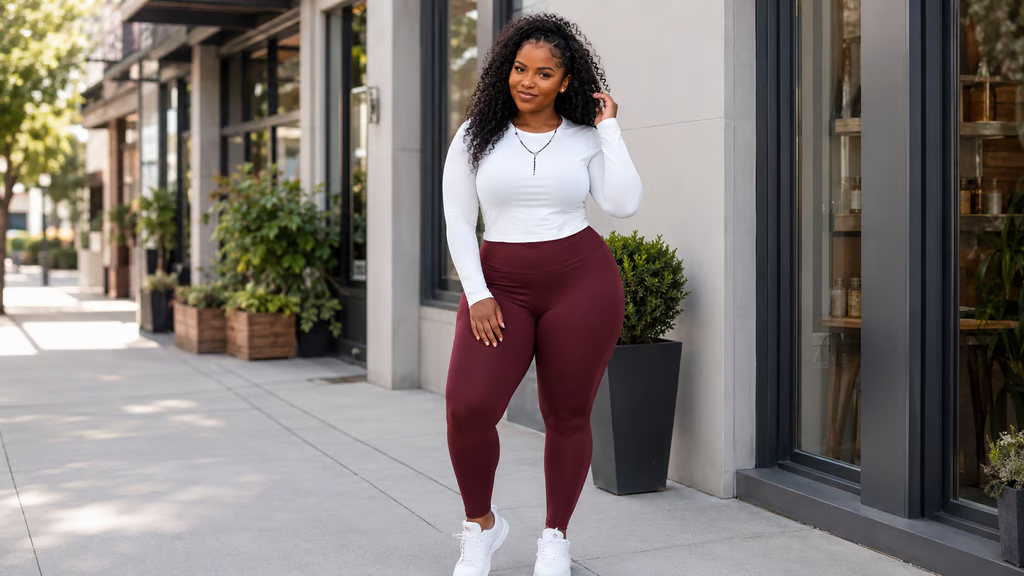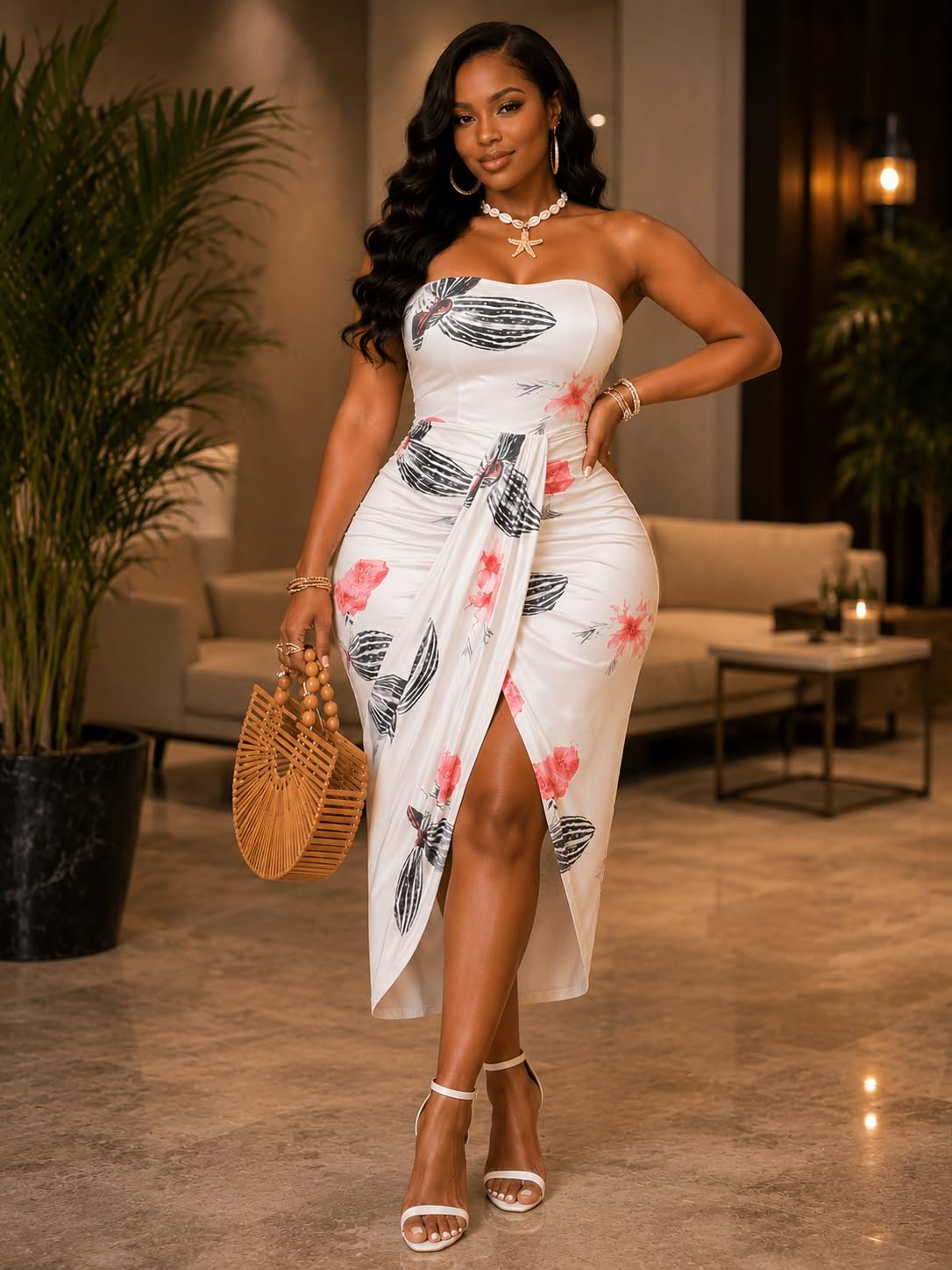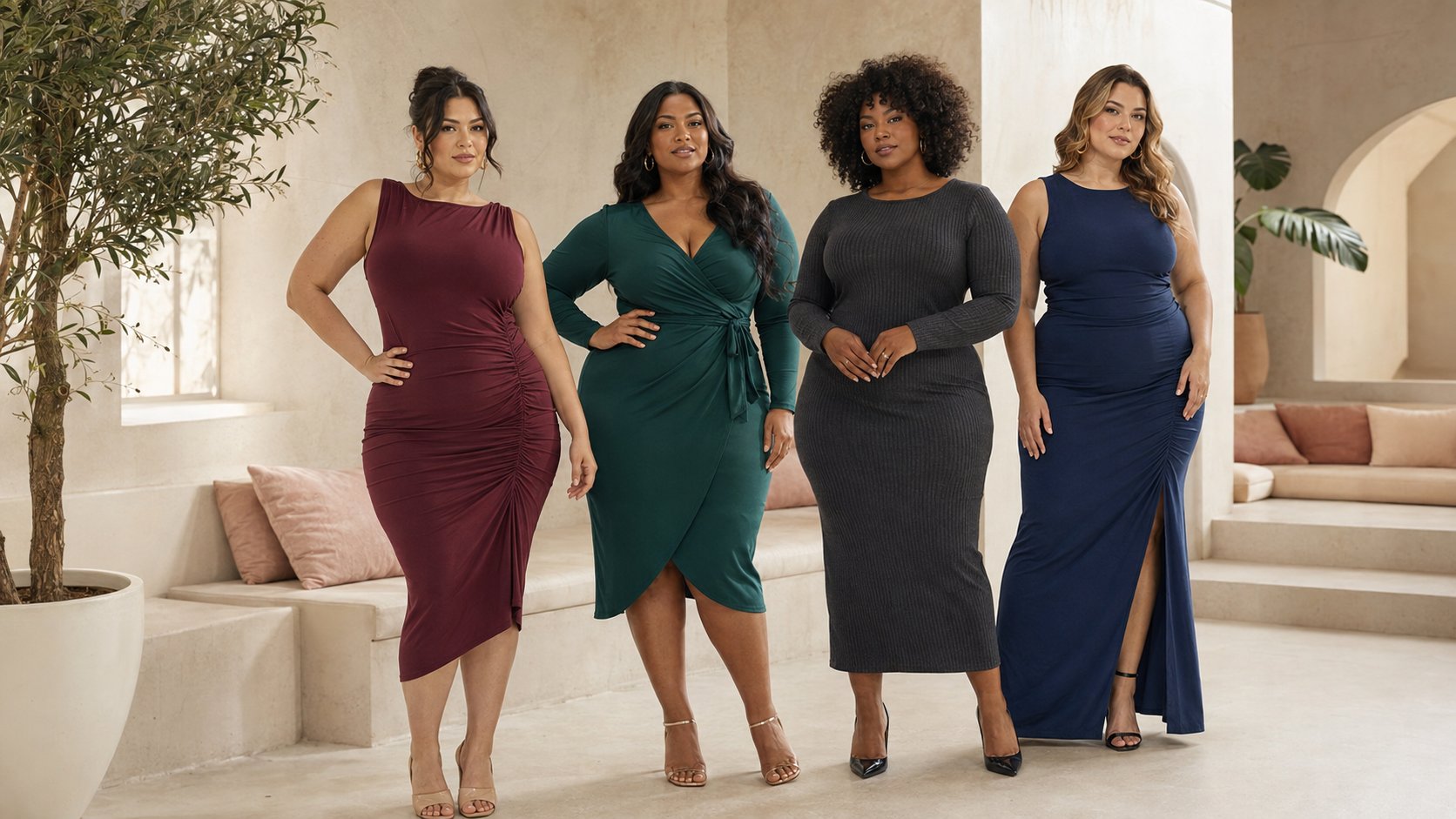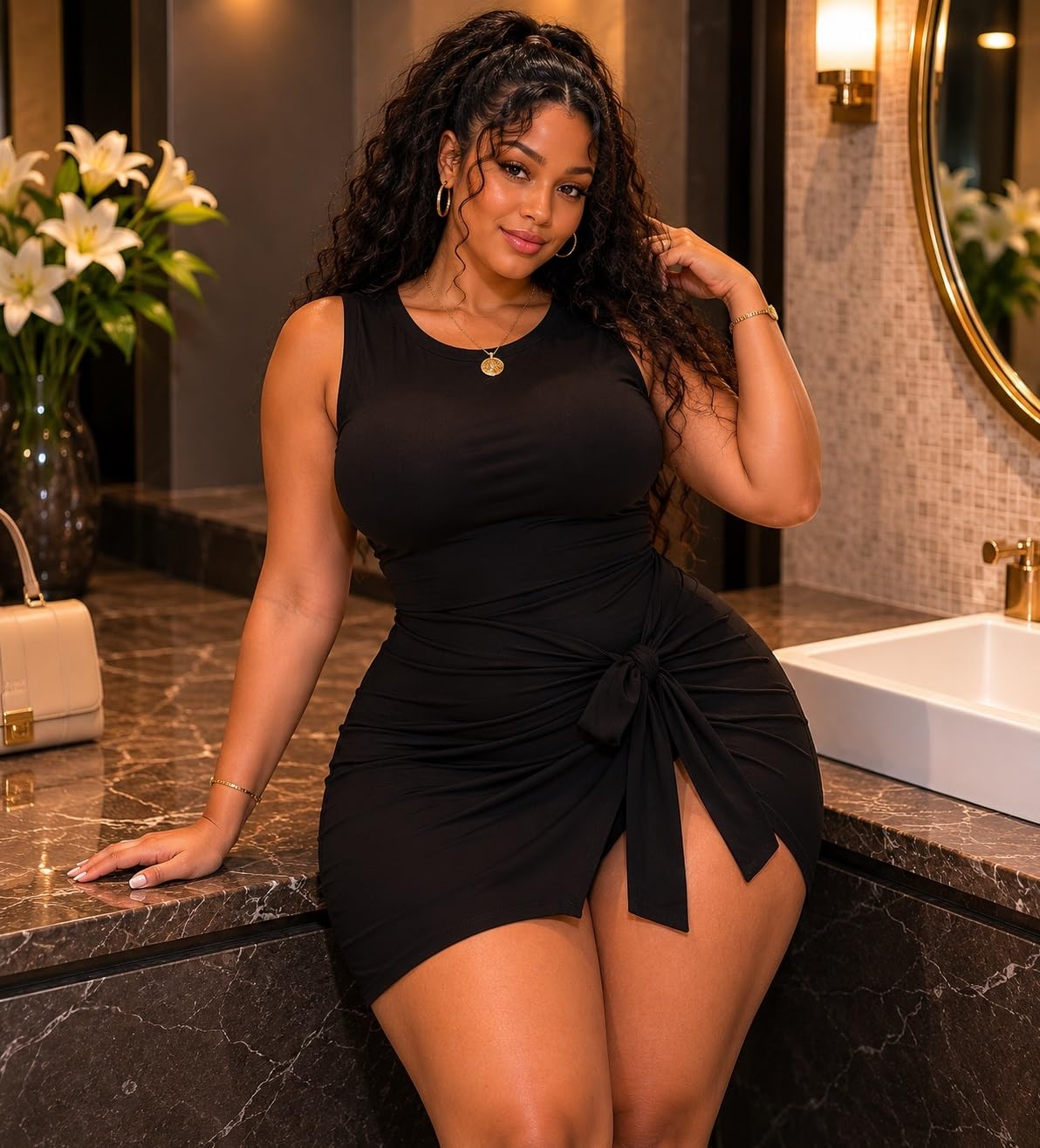

Bodycon Dresses: How to Style Them Elegantly in 2026 is built around proportion, comfort and occasion rather than rigid fashion rules. Fit, fabric, color balance, footwear, layering and accessories can change the same base piece from casual to polished.
Quick Verdict
- Best for: readers who want practical outfit formulas they can adapt to their own wardrobe and body shape.
- Focus on: fit, proportion, fabric, color balance, footwear, layering and accessories.
- Watch for: the most flattering outfit is the one that fits comfortably and suits the setting, not one that follows every trend.
What is a bodycon dress? A bodycon dress is a close-fitting garment designed to follow the body’s natural shape from the bust through the hips and hem. The name is short for “body-conscious.” Most versions use knitted fabric or a woven fabric with added stretch so the dress can fit closely while allowing movement.
Bodycon describes a silhouette, not a specific length, fabric or size. A bodycon dress may be mini, midi or maxi; casual or formal; softly fitted or more structured. Unlike a bandage dress, it does not necessarily use firm strip-like panels or provide compression. A good bodycon fit feels close without restricting breathing, sitting or walking.

This guide explains the bodycon dress meaning, its key construction features, how it differs from a bandage dress, and how to choose a fabric, length and fit. It also provides practical outfits for work, brunch, dates and formal events without treating body-shape advice as a set of rules.
Defining feature
The cut follows the figure more closely than a sheath, shift or A-line dress.
Typical materials
Jersey, rib knit, ponte, scuba, stretch crepe and bandage knits provide different levels of softness and structure.
Available lengths
Mini, knee-length, midi and maxi versions can suit casual, professional, evening or formal settings.
Most important check
The dress should remain secure and sufficiently opaque while you sit, walk, bend and raise your arms.
Table of contents
What Are the Key Characteristics of a Bodycon Dress?
- Close fit: the garment follows the bust, waist and hip line instead of hanging loosely away from the body.
- Stretch or shaped construction: knit fabric, elastane, seams or panels help the dress accommodate curves.
- Continuous silhouette: the fitted line usually continues through most of the dress rather than flaring sharply from the waist.
- Multiple lengths: bodycon describes fit, so the dress may end at the thigh, knee, calf or ankle.
- Different support levels: a soft jersey dress may simply follow the body, while ponte or bandage construction feels firmer.
A dress does not need to be painfully tight to qualify as bodycon. It should sit close enough to reveal the silhouette, but excessive strain, sheerness or restricted movement indicates a fit problem rather than a stronger bodycon effect.
Where Did Bodycon Dresses Come From?
Figure-hugging dresses predate the word “bodycon,” but Azzedine Alaïa became strongly associated with body-conscious fashion in the 1980s. Museum descriptions from The Metropolitan Museum of Art and the Victoria and Albert Museum emphasize his cut, construction and knitted garments that molded fabric to the female form. Firm bandage dresses later became especially visible in 1990s and early-2000s fashion.
The category now extends far beyond nightclub styling. Covered sweater dresses, ankle-length ribbed knits, ponte office dresses, ruched midis and formal fitted gowns all use the bodycon idea. Vogue documented this broader direction through high necklines, longer hems and warmer structured knits, showing how the silhouette can move into daytime and cooler-weather dressing.
Bodycon vs. Bandage Dress: What Is the Difference?
| Feature | Bodycon dress | Bandage dress |
|---|---|---|
| Meaning | Any dress designed to follow the body’s shape closely | A specific fitted dress built from firm, band-like stretch panels |
| Typical feel | May be soft, flexible, structured or lightly supportive | Usually firmer and more compressive |
| Common materials | Jersey, rib knit, ponte, scuba, crepe or velvet blends | Dense rayon, nylon and elastane-type panel knit |
| Best use | Casual through formal, depending on fabric and cut | Often cocktail, party or structured evening wear |
| Fit priority | Opacity, recovery and comfortable movement | Correct compression without restricted breathing or sitting |
Every bandage dress is body-conscious, but not every bodycon dress is a bandage dress. Bodycon is the broad silhouette; bandage describes a firmer construction.
What Types of Bodycon Dresses Are Available?
Jersey bodycon
Soft, highly flexible and easy to layer. Thin versions may show more underneath or become sheer when stretched.
Ribbed or sweater knit
Textured and casual, with long-sleeve versions suited to cooler weather. Check stretch recovery during wear.
Ponte or scuba
More structured and useful for polished midis, work functions and clean seaming.
Bandage dress
Firm panel construction provides a sculpted fit. Accurate sizing is especially important.
Ruched or draped
Gathering creates texture and may make the dress easier to adjust across different torso lengths.
Feature-led bodycon
Cutouts, mesh, asymmetry, belts, ruffles or statement sleeves add a clear visual focus.
For a detailed comparison of these categories, see our guide to the best bodycon dresses for women.
How Should a Bodycon Dress Fit?
A bodycon dress should feel close but not restrictive. Shoulder seams should sit near the shoulders, side seams should remain vertical, and the waist seam—if present—should stay near its intended position. The fabric should remain sufficiently opaque, and the dress should recover after movement rather than staying stretched or bagging.
- Measure first. Record your bust, natural waist and fullest hip, then use the brand’s current chart.
- Walk normally. Check whether the hem twists, rolls or climbs beyond your comfort level.
- Sit fully. Test the waist, neckline, slit and fabric tension.
- Raise your arms. Confirm that straps, sleeves and cutouts stay positioned.
- Check bright light. Some fabrics become transparent only when stretched.
- Inspect the seams. Sharp horizontal pulling, zipper rippling and rotating side seams can indicate excess tension.
If the dress fails these checks, sizing up may help—but another torso length, hip-to-waist ratio, neckline or fabric can be a better solution. A poor cut cannot always be fixed by changing the label size.
Which Fabrics Work Best for Bodycon Dresses?
Fiber content is only one part of fabric quality. Weight, knit density, lining and recovery determine how the dress covers, stretches and returns to shape. Do not rely on a fixed elastane percentage as a universal quality rule.
| Fabric | Feel and structure | Good for | Check before buying |
|---|---|---|---|
| Ponte knit | Dense, smooth and structured | Work, dinner, cooler seasons | Enough stretch for sitting and walking |
| Scuba knit | Springy and sculpted | Statement shapes and clean seams | Breathability in warm conditions |
| Ribbed knit | Textured, flexible and casual | Brunch, travel, everyday wear | Whether it grows at the seat or knees |
| Jersey | Soft and fluid | Layering and relaxed outfits | Opacity, lining and visible edges |
| Stretch crepe | More polished surface with some structure | Weddings, dinners, formal events | Actual stretch and lining |
| Stretch velvet | Rich texture and evening finish | Fall and winter events | Care requirements and nap direction |
Mini, Midi or Maxi: Which Length Should You Choose?

- Mini: creates a playful party, vacation or casual look. Test the hem while walking and sitting.
- Knee-length: offers an easy balance between a shorter silhouette and more leg coverage.
- Midi: is highly versatile for work, dinners, dates and weddings. A slit or vent may improve movement.
- Maxi: creates a long line and may be casual in rib knit or formal in velvet and crepe. Check the hem with your shoes.
Can Every Body Shape Wear a Bodycon Dress?
Yes. Bodycon describes how a garment fits, not who is permitted to wear it. Body-shape suggestions can help identify design details, but they are optional—not rules about what looks acceptable.
- Defined waist: try waist seams, belts or wrap effects if you want to emphasize it.
- Fuller hips: size for the hip measurement; adjust the waist or upper body if necessary.
- Fuller midsection: diagonal ruching, a V-neck or a substantial knit can add visual movement if desired.
- Straighter proportions: curved seams, gathering, color blocking or a belt can add dimension.
- Broader shoulders: a V- or scoop neck and detail near the hip or hem may create the balance you want.
- Petite frame: altered straps and a deliberate hem placement usually matter more than avoiding a particular length.
For more detailed guidance on fabric, ruching and support, read our plus size bodycon dress fit and styling guide.
How to Style a Bodycon Dress for Different Occasions
| Occasion | Dress | Layer | Shoes | Accessories |
|---|---|---|---|---|
| Work or networking | Ponte knee-length or midi | Tailored blazer | Loafers, pumps or low heels | Structured tote, studs, watch |
| Brunch or daytime | Ribbed or jersey midi | Denim jacket or cardigan | Sneakers or flat sandals | Crossbody bag and sunglasses |
| Date night | Black, burgundy or ruched mini/midi | Cropped jacket or blazer | Slingbacks or block heels | Small bag and one jewelry focus |
| Wedding guest | Lined crepe, velvet or formal knit midi/maxi | Shawl or dressy jacket | Block heels or elegant flats | Clutch and refined jewelry |
| Weekend gathering | Soft solid or printed knit | Oversized cardigan or utility jacket | Sneakers, boots or flats | Practical tote or crossbody |
For more complete combinations, explore these bodycon dress outfit ideas for parties, dates and events.
Bodycon Dress Looks to Shop
Affiliate notice: This section contains sponsored shopping links. If you buy through one of them, FrediTech may earn a commission at no extra cost to you.
These looks demonstrate professional, casual and evening styling. Confirm each seller’s current size chart, fabric details, price, reviews and return policy before ordering because product information and availability can change.
 Professional bodycon look
A blazer, low heels and structured bag give the fitted midi a polished finish.
Shop the work look
Professional bodycon look
A blazer, low heels and structured bag give the fitted midi a polished finish.
Shop the work look
 Casual weekend look
Denim and white sneakers relax the fitted silhouette for daytime plans.
Shop the casual look
Casual weekend look
Denim and white sneakers relax the fitted silhouette for daytime plans.
Shop the casual look
 Evening bodycon look
A dressier fabric, heels and compact accessories create a date-night finish.
Shop the evening look
Evening bodycon look
A dressier fabric, heels and compact accessories create a date-night finish.
Shop the evening look
Shoes, Layers and Accessories
Choose shoes for the venue
Strappy sandals and slingbacks make a fitted dress feel dressy, while pumps and loafers suit polished settings. Sneakers relax ribbed and jersey styles; ankle or knee-high boots work in cooler weather. Block heels are often more stable than narrow stilettos on grass, cobblestones or during long events. See our complete guide to the best shoes to wear with bodycon dresses.
Use layers to change the mood
- Blazer: structured and useful for work, dinners and cocktail events.
- Denim jacket: casual with rib knit, jersey and sneakers.
- Leather-style jacket: adds contrast to a simple fitted dress.
- Long cardigan or duster: provides soft coverage and vertical movement.
- Shawl or wrap: removable warmth for weddings and formal events.
- Long coat: works with winter midis and maxis when the hem lengths relate cleanly.
Let one accessory lead
Statement earrings suit strapless, off-shoulder and square necklines. Pendants follow V-necks, while a cuff or ring works when the neckline is already detailed. A clutch suits formal settings, a structured tote supports work outfits, and a crossbody is practical for casual plans. Keep accessories quieter when the dress includes a bold print, sequins, ruching or cutouts.
What Should You Wear Under a Bodycon Dress?
Choose a bra that works with the neckline and straps. Seamless briefs, a thong, boyshorts or slip shorts can reduce visible edges depending on the fabric and your preference. Under pale colors, underwear close to your skin tone is often less visible than bright white.
Shapewear is optional. If you want a smoother foundation, choose the lightest support level that achieves the effect you want. Use your measurements rather than sizing down, match its length to the hem and slit, and confirm that you can sit, breathe and move comfortably.
How to Wear Bodycon Dresses Through the Seasons
Spring
Add a trench, lightweight cardigan or denim jacket to a midi. Slingbacks and sneakers handle changing weather.
Summer
Choose a lightweight-feeling knit, secure straps and sandals. Check opacity in daylight and plan for heat.
Fall
Pair ribbed knits in burgundy, olive or chocolate with ankle boots and a leather-style jacket.
Winter
Use long sleeves, ponte, sweater knit or stretch velvet with tights, boots and a warm coat.
How to Care for a Bodycon Dress
Always follow the sewn-in care label. Knits, linings, mesh, velvet, embellishments and dyes require different treatment. Cooler water, gentle washing and lower heat are cautious choices for many stretch fabrics, but some dresses need professional cleaning.
- Fasten zippers and hooks before washing when machine cleaning is permitted.
- Use a mesh bag for delicate knits and keep embellishments away from rough fabrics.
- Avoid high dryer heat unless the label explicitly allows it.
- Dry heavy knits flat when hanging could stretch the shoulders or length.
- Fold weighty, velvet and embellished dresses to reduce hanger distortion.
Common Bodycon Dress Mistakes
- Sizing down for a tighter look. Excess tension can create sheerness, rolling and restricted movement.
- Buying by the label alone. Use the brand’s measurements because sizing and stretch vary.
- Skipping the movement test. A dress can look secure while standing but shift when sitting or walking.
- Assuming all bodycon dresses compress. Soft jersey follows the body; bandage construction is usually firmer.
- Ignoring the venue. Weather, seating, stairs, grass and walking time affect the best fabric, length and shoes.
- Wearing uncomfortable shapewear. Foundation garments should support the outfit without restricting you.
- Following rules you dislike. Dark colors, heels and waist definition are options—not obligations.
The Meaning of Bodycon Is Simple
A bodycon dress is simply a dress designed to follow the body’s shape closely. It can be soft or structured, short or long, casual or formal. The right choice depends on fabric, fit, movement, coverage, venue and personal style—not on having a particular body type.
Editorial Sources and Method
This article was rewritten for definitional clarity, practical fit guidance and inclusive language. The shopping section provides visual inspiration and does not claim personal product testing. Confirm all current product information with the seller before purchasing.
- Aza Fashions: what is a bodycon dress? — definition, common types and bodycon-versus-bandage context.
- The Metropolitan Museum of Art: Azzedine Alaïa dress, circa 1986 — curatorial background on body-conscious cut and construction.
- Victoria and Albert Museum: knitted eveningwear — historical context on Alaïa’s figure-hugging knitwear.
- Vogue: covered and casual fitted sweater dresses — editorial examples of longer lengths, high necklines and structured knits.
- Leonisa: how to style a bodycon dress — additional occasion and layering ideas.
Frequently Asked Questions
What is a bodycon dress?
A bodycon dress is a close-fitting dress designed to follow the body’s natural shape. The term is short for “body-conscious.” It can be mini, midi or maxi and made from soft jersey, rib knit, ponte, crepe or firmer bandage-style fabric.
Is bodycon the same as a tight dress?
Bodycon is intentionally cut close to the body, but it should not feel painfully tight. A dress that restricts breathing or movement, becomes sheer or strains at the seams is likely the wrong size, fabric or cut.
What is the difference between a bodycon and bandage dress?
Bodycon is the broad fitted silhouette. A bandage dress is a specific bodycon construction made from firm, strip-like stretch panels and usually provides more compression and structure than jersey or rib knit.
Can every body type wear a bodycon dress?
Yes. Bodycon is available across sizes and does not require a particular shape. Choose the fabric, neckline, length, support and coverage that suit your body and preferences.
Can I wear a bodycon dress to work?
Yes, when it suits the workplace dress code. A structured knee-length or midi dress with an appropriate neckline, blazer, loafers, pumps or low heels is the easiest professional combination.
What fabric is best for a bodycon dress?
Ponte is useful for structure, rib knit for casual texture, double-lined jersey for soft coverage, and stretch crepe or velvet for events. Consider weight, opacity, recovery and comfort rather than relying on one fiber percentage.
What should I wear under a bodycon dress?
Choose a bra that works with the neckline and seamless underwear if you want fewer visible edges. Slip shorts can reduce friction. Shapewear is optional and should be correctly sized and comfortable.
How do I stop a bodycon dress from riding up?
Choose the correct hip size, dependable stretch recovery and a hem compatible with your stride. Slip shorts may reduce friction, but repeated riding during a walk test can signal that another size, fabric or cut will work better.
Are bodycon dresses only for parties?
No. Ribbed and jersey styles work casually, ponte midis can suit some workplaces, and lined crepe or velvet dresses can work for formal events. Fabric, length, neckline and styling determine the level of formality.
Bottom Line
Use these combinations as starting points rather than rules. Good styling comes from balanced proportions, comfortable fit and a few coordinated details that make the outfit feel intentional.