
Quick answer
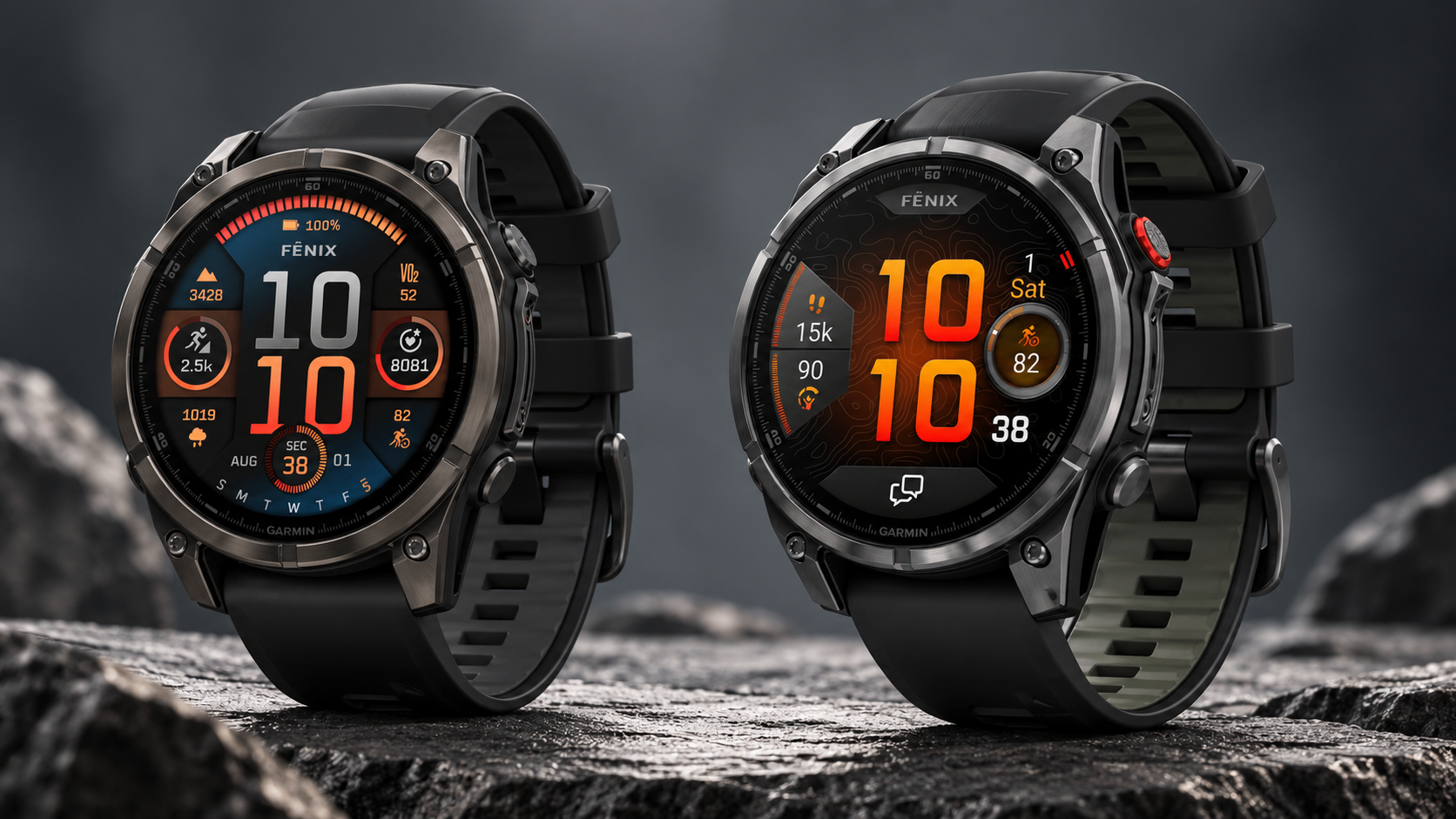
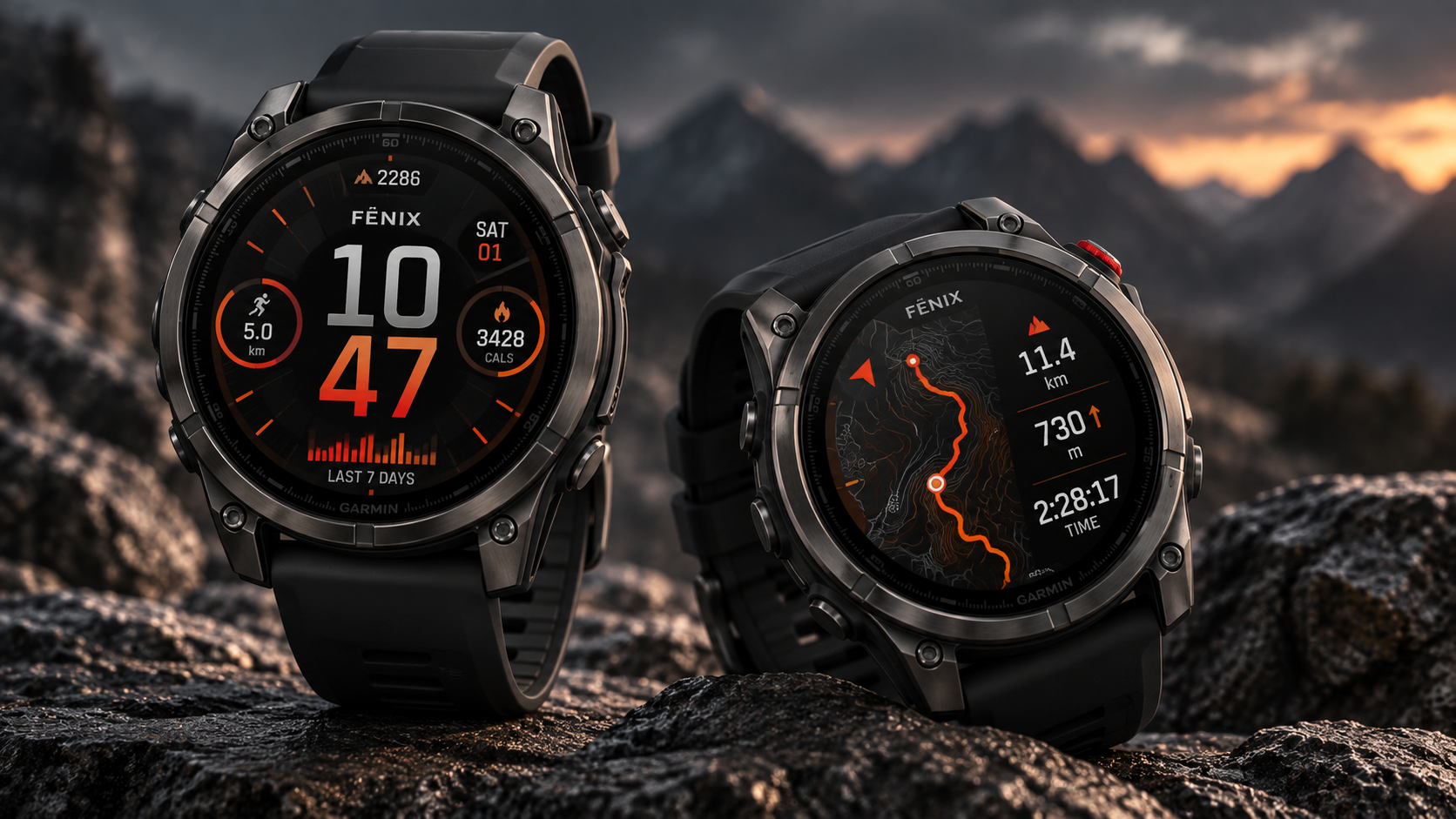
The Garmin Fenix 9 is the better value for most athletes who want the new display, faster maps and upgraded training tools. Choose the Fenix 9 Pro when its titanium case, solar-display options, larger 51mm AMOLED screen, enhanced flashlight or optional phone-free inReach connectivity will materially improve how you train or travel.
The standard watch begins at $999.99, while the Pro begins at $1,099.99. That makes the decision less about basic fitness tracking and more about materials, screen choice, battery priorities and off-grid communication.
Garmin announced the Fenix 9 and Fenix 9 Pro on August 25, 2026 as the next generation of its premium multisport GPS watch family. The release is important because the regular Fenix 9 keeps the Fenix 8’s $999.99 starting price while adding meaningful hardware and software improvements. Garmin’s official announcement confirms brighter displays, faster mapping, more storage, new stamina analysis and expanded rucking support.
This guide separates the features available across the family from the options limited to particular Pro configurations. It also explains who should upgrade from a Fenix 8 and when a discounted older Garmin may still be the more rational purchase.
In this guide
Table of contents
Garmin Fenix 9 Price, Sizes and Model Structure
The standard Fenix 9 is available in 43mm, 47mm and 51mm sizes and starts at $999.99 in the United States. The Fenix 9 Pro is also offered in all three sizes and starts at $1,099.99. Exact prices rise with the case size, display technology, band, solar option and inReach configuration.
Garmin describes the watches as available now, but individual combinations can have different order or shipping dates. International pricing, taxes, subscriptions and LTE or satellite coverage are region-dependent. Treat the US starting prices as a comparison baseline rather than a universal converted price.
Price context
The Fenix 8 also started at $999.99 when Garmin announced it in 2024. The entry point therefore remains unchanged, although the Fenix 9 introduces additional memory, display and mapping improvements. Buyers should compare the exact variant—not merely the family starting price—because premium configurations can move far above $1,000.
Garmin Fenix 9 vs Fenix 9 Pro: Key Differences
| Feature | Garmin Fenix 9 | Garmin Fenix 9 Pro |
|---|---|---|
| Starting price | $999.99 | $1,099.99 |
| Case sizes | 43mm, 47mm and 51mm | 43mm, 47mm and 51mm |
| Case construction | Premium rugged construction with sapphire lens | Garmin’s first full titanium Fenix watch case |
| Display choices | Brighter AMOLED options | Up to 3,000-nit AMOLED plus solar-display options on selected models |
| Largest display | Conventional size options | 51mm model offers Garmin’s first 1.5-inch Fenix AMOLED display |
| Phone-free communication | Not the main differentiator | Optional LTE and satellite inReach connectivity on all three case sizes |
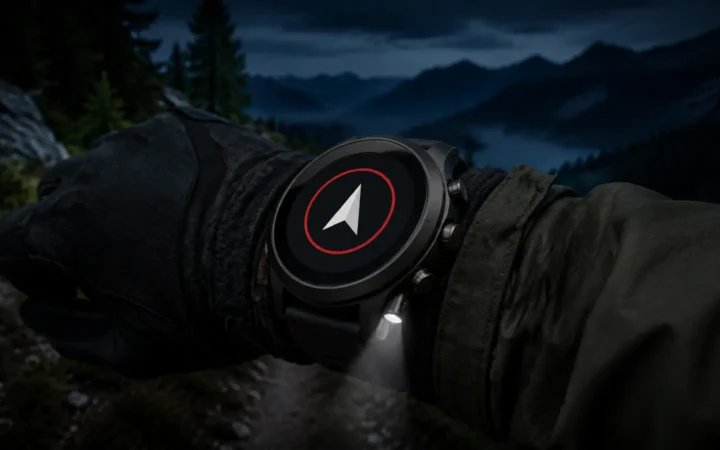
| Flashlight | Integrated LED flashlight | Adds a green-light mode designed to preserve night vision |
| Best for | Most athletes who want flagship training and navigation | Expedition users, premium-material buyers and people who need phone-free communication |
Display, Materials and Everyday Wear
What improves on the standard Fenix 9?
Garmin says the Fenix 9 AMOLED display is twice as bright as its predecessor. The watch also uses a scratch-resistant sapphire lens, leakproof buttons and a case rated for diving to 40 metres. Brightness claims are useful for maps and workout data outdoors, but peak brightness does not by itself prove better battery life or readability in every condition.
Why the Fenix 9 Pro feels more premium
The Pro is the first Fenix to use a full titanium watch case. Garmin combines metal and plastic using a nano-moulding process intended to retain wireless functionality while reducing thickness and weight. Its AMOLED options reach a claimed 3,000 nits. On the 51mm Pro, the 1.5-inch AMOLED panel is 15% larger than the comparable Fenix 8 display without increasing the case size.
The 51mm model provides the most map space and the longest quoted battery figures, but it will not suit every wrist. Buyers with smaller wrists should try a 43mm or 47mm case in person and evaluate comfort during sleep, running and strength training. A large screen is not useful if the watch moves during heart-rate tracking or becomes uncomfortable overnight.
Faster Maps, More Storage and New Training Tools
Both families receive one of the most practical upgrades: 50% more RAM than Fenix 8 and an updated map engine that Garmin says can pan up to 30% faster. Storage doubles to 64GB, providing room for roughly twice as many maps and up to 7,000 songs according to Garmin. A new perspective view adds more visual context to the route ahead.
That matters most to hikers, trail runners, cyclists and travellers who frequently move around detailed maps. It matters less to users who mainly record gym sessions and review routes on a phone after training.
Garmin Epic
Garmin Epic groups activities recorded over days, weeks or months into one shareable story in Garmin Connect. It can combine health and performance data with photos. The feature is more useful for stage races, long expeditions and multi-day challenges than for a single daily workout.
Stamina, indoor rowing and rucking
- Stamina zones and stamina curve: show how endurance changes as fitness and training history develop.
- Indoor rowing analysis: adds VO2 max and power-curve insights when used with a compatible power-meter-equipped rowing machine.
- Expanded rucking: supports changing pack weight during an activity, following GORUCK workouts and setting targets with loads up to 100kg.
These are specialised additions. Buyers should not pay extra merely because the feature list is long; the better question is whether the watch supports activities they perform regularly.
How Fenix 9 Pro LTE and Satellite Connectivity Work
Selected Fenix 9 Pro models add built-in inReach connectivity using LTE or satellite. With an active plan, supported functions include voice calls, text messaging, SOS communication, LiveTrack notifications, location sharing through Garmin Locate and location-specific weather forecasts.
This is not the same as unlimited cellular service from a normal smartwatch plan. Garmin’s feature-requirements page explains that an active inReach plan and initial setup with Garmin Connect are required. Coverage and individual services are not available in every country. Satellite communication also needs a sufficiently clear view of the sky and carries limitations compared with dedicated inReach devices.
Safety reminder
Do not buy the Pro solely on the assumption that SOS will work identically everywhere. Confirm the supported country, network, plan price and satellite-service limitations for every region in which you expect to use the watch.
Garmin Fenix 9 Battery Life Explained
Garmin quotes up to 29 days in smartwatch mode for the largest Fenix 9. The largest Fenix 9 Pro AMOLED model reaches up to 31 days, while selected solar Pro models can reach up to 57 days.
Those are maximum laboratory-style figures, not guarantees. The solar estimate assumes all-day wear and three hours per day outside in 50,000-lux conditions. Always-on display, GPS frequency, maps, music, Pulse Ox, LTE, satellite messaging, flashlight use, temperature and notification volume can substantially reduce runtime.
For most buyers, the right battery question is not “Which number is largest?” but “Will this configuration cover my longest normal activity with a safety margin?” AMOLED is attractive for daily visibility; solar can be more valuable on extended trips where charging access is limited.
Should Fenix 8 Owners Upgrade?
The upgrade case is strongest for owners who regularly use maps, need 64GB storage, want the brighter screen or will benefit from Pro-only inReach choices. Faster panning and more memory are quality-of-life improvements for navigation-heavy use. The larger Pro display can also make detailed maps easier to interpret.
Fenix 8 owners satisfied with navigation speed, screen visibility and phone-connected safety features can reasonably wait. Core Garmin health tracking, multisport recording, mapping, microphone and speaker functions remain strong on the older generation. FrediTech’s Fenix 8 vs Fenix 7 comparison provides additional context on the platform’s existing capabilities.
Who Should Buy Each Model?
Buy the Garmin Fenix 9 if:
- You want flagship Garmin training, health and mapping without paying for Pro features you may never use.
- You value the brighter AMOLED display, faster map engine and 64GB storage.
- Your phone normally stays with you during training and travel.
- You want the strongest value within the new Fenix family.
Buy the Garmin Fenix 9 Pro if:
- You specifically want titanium construction or a solar-display option.
- You need optional LTE and satellite communication without carrying a phone.
- The 51mm model’s larger 1.5-inch screen will improve map use.
- You will use its green flashlight mode during night activities.
Keep a Fenix 8 or buy it on discount if:
- The newer mapping speed, display brightness and storage are not essential.
- A verified clearance price creates a much larger saving than the Fenix 9’s benefits justify.
- You do not need the Pro’s new connectivity or material options.
FrediTech Buying Verdict
Verdict
The Garmin Fenix 9 is the sensible recommendation for most buyers. It preserves the previous generation’s starting price while improving the areas that affect daily use: screen visibility, map responsiveness, storage and activity analysis.
The Fenix 9 Pro earns its premium when titanium, solar charging, the largest AMOLED display or phone-free inReach connectivity solves a real problem. Without one of those needs, the regular model delivers the core experience at a lower starting price.
Frequently Asked Questions
How much does the Garmin Fenix 9 cost?
The Garmin Fenix 9 starts at $999.99 in the United States, while the Fenix 9 Pro starts at $1,099.99. Final prices depend on size, display, materials, band and connectivity options.
What is the main difference between Fenix 9 and Fenix 9 Pro?
The Pro adds premium options including a full titanium case, selected solar displays, a larger 1.5-inch AMOLED screen on the 51mm model, a green flashlight mode and optional LTE and satellite inReach connectivity.
Does the Fenix 9 Pro work without a phone?
Selected Fenix 9 Pro configurations can use LTE or satellite for supported calls, messages, location sharing and SOS without a connected phone, but an active inReach plan, setup requirements and regional coverage limitations apply.
How long does the Garmin Fenix 9 battery last?
Garmin quotes up to 29 days for the largest Fenix 9, up to 31 days for the largest Fenix 9 Pro AMOLED model and up to 57 days for selected solar models under specified test conditions.
Is the Garmin Fenix 9 worth upgrading from Fenix 8?
It is most worthwhile for people who need brighter displays, faster map panning, 64GB storage, the larger Pro display or new inReach options. Fenix 8 owners satisfied with their current mapping and connectivity can reasonably wait.