
Blood pressure devices are measurement instruments, so confidence in their readings depends on more than routine use. Verification, maintenance and manufacturer-recommended service help facilities identify drift, cuff problems and damaged equipment before inaccurate readings become part of clinical decisions.
Primary reference: authoritative guidance/source.
Quick Verdict
- Best for: building a sensible quality-control approach around professional blood pressure equipment.
- What matters most: manufacturer guidance, device validation, inspection, servicing and documented accuracy checks.
- Key caution: there is no universal calibration interval that safely applies to every model and clinical environment.
In any medical laboratory or clinical setting, precision and accuracy are of utmost importance when measuring blood pressure. Blood pressure monitors are essential tools used to diagnose and monitor patients with hypertension, cardiovascular diseases, and other related health conditions. However, like any medical equipment, blood pressure monitors can drift out of calibration over time, leading to inaccurate readings. This is why regular calibration is crucial to ensure that blood pressure readings are reliable and consistent. In this article, we will explore the importance of regular calibration for blood pressure monitors in labs, how it affects patient care, and tips for maintaining accurate readings.

Table of contents
Why Regular Calibration is Crucial for Blood Pressure Monitors
- Ensures Accurate Readings Calibration is the process of adjusting the blood pressure monitor to meet a known standard. When the monitor is calibrated regularly, it ensures that the readings it provides are accurate and align with established medical standards. Inaccurate blood pressure readings can lead to misdiagnosis, improper treatment plans, and delayed intervention. Regular calibration helps in maintaining the device’s accuracy over time.
- Prevents Device Malfunctions Over time, mechanical wear, environmental factors, and routine usage can cause blood pressure monitors to lose their accuracy. Regular calibration ensures that any discrepancies are identified and corrected before they affect patient care. This proactive approach helps prevent costly repairs and ensures that the device functions optimally.
- Meets Regulatory Standards Medical laboratories and clinical settings must adhere to strict regulatory standards to ensure patient safety and the quality of care. Calibration of medical equipment, including blood pressure monitors, is often required by governing bodies, such as the FDA, to comply with medical equipment regulations. Regular calibration helps labs stay compliant with these standards and avoid any potential legal or accreditation issues.
- Improves Patient Outcomes Accurate blood pressure monitoring is crucial in detecting and managing hypertension, which is a leading risk factor for heart disease, stroke, and kidney failure. Consistent and reliable blood pressure readings allow healthcare professionals to monitor patient progress, adjust treatment protocols, and prevent the escalation of chronic conditions. Regular calibration of blood pressure monitors is key to improving patient outcomes and providing the best care.
- Reduces the Risk of Errors Inaccurate blood pressure readings can often result from improper calibration, leading to errors in diagnosis and treatment. Regular calibration reduces the chances of these errors by ensuring that the equipment provides precise measurements. This is especially important in labs where blood pressure monitors are used frequently and across different patients.
How Often Should Blood Pressure Monitors Be Calibrated?
The frequency of calibration depends on the manufacturer’s recommendations, the type of monitor, and the volume of use. Generally, medical equipment manufacturers recommend calibrating blood pressure monitors at least once a year. However, if the device is used in a high-traffic clinical environment, calibration may be required more frequently. It’s also a good practice to recalibrate the equipment after any maintenance or repair work.
Some labs may also choose to perform daily or weekly checks to ensure the monitor is still within a tolerable range of accuracy, especially if it’s used for high-stakes or critical measurements. These routine checks are less about full recalibration and more about confirming that the device hasn’t drifted significantly since the last full calibration.
Signs That Your Blood Pressure Monitor Needs Calibration
- Frequent Inconsistent Readings: If the monitor’s readings are varying significantly between measurements, it may be a sign that it requires recalibration.
- Unusual Behavior or Malfunctioning: If the device fails to power on, has error codes, or seems to be malfunctioning, it may need recalibration.
- Physical Damage: If the monitor has been dropped or exposed to harsh conditions, calibration should be performed to ensure it is still functioning correctly.
Tips for Maintaining Accurate Blood Pressure Monitors
- Follow the Manufacturer’s Guidelines Always adhere to the manufacturer’s calibration schedule and maintenance guidelines. This ensures that your equipment remains in good working condition and provides accurate readings.
- Perform Regular Visual Inspections Conduct regular visual inspections of the monitor, checking for signs of wear, physical damage, or malfunction. Ensure the cuff is in good condition and that there are no leaks in the tubing.
- Clean the Equipment Regularly Keeping your blood pressure monitor clean and free from dust, dirt, and contaminants helps prevent mechanical issues and ensures that the device functions properly. Follow the manufacturer’s cleaning instructions to avoid damaging sensitive components.
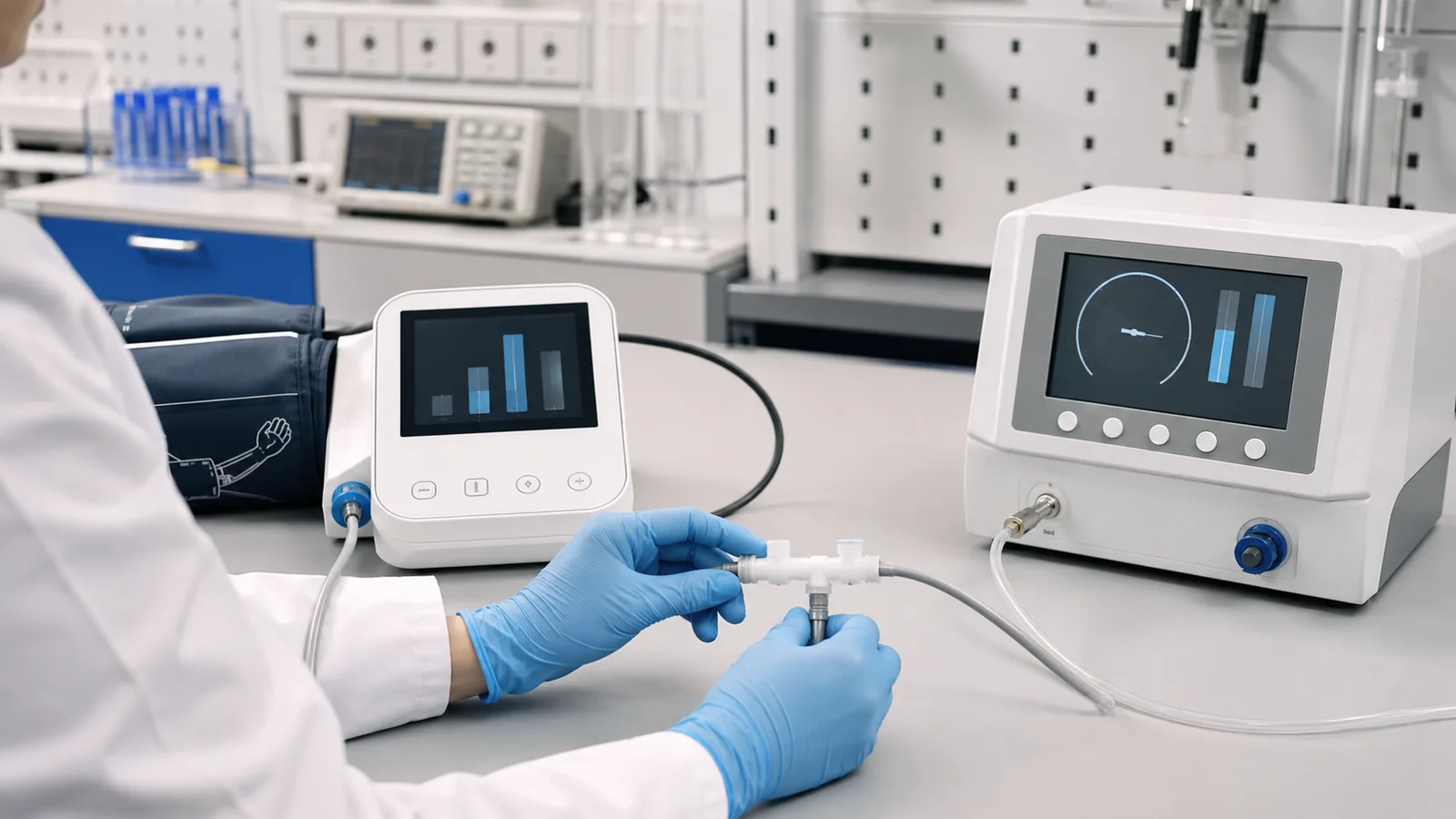
- Invest in Calibration Equipment If you are a lab technician or medical professional responsible for calibrating blood pressure monitors, it’s essential to have the right calibration equipment. A digital or mercury manometer can be used to compare readings and ensure that your monitor is calibrated correctly. Regular calibration equipment should also be kept in good working order to guarantee accurate calibration.
- Keep Records Maintain a record of each calibration performed, including the date and results. This is essential for meeting regulatory compliance and can help you track the performance of your devices over time.
Recommended Blood Pressure Monitors for Labs
To ensure your lab is equipped with high-quality and reliable blood pressure monitors, here are some of the best products available:
- Omron Platinum Blood Pressure Monitor The Omron Platinum Blood Pressure Monitor offers advanced accuracy and can be easily calibrated to ensure precise readings. It features an easy-to-read display and is perfect for both professional and personal use. Affiliate disclosure: FrediTech may earn a commission from qualifying purchases at no extra cost to you. .
Conclusion
Regular calibration of blood pressure monitors is vital for ensuring accuracy, compliance, and the overall quality of patient care. Whether in a high-volume clinic or a small laboratory, maintaining properly calibrated devices reduces the risk of errors, enhances diagnostic accuracy, and improves patient outcomes. Always follow the manufacturer’s recommendations for calibration and invest in quality blood pressure monitors to ensure the best possible care for your patients.
For more information on blood pressure monitor calibration and to shop for the best devices available, check out the affiliate links provided throughout this article. Regular calibration, paired with high-quality equipment, will ensure your lab’s continued success in providing accurate and reliable blood pressure measurements.
………………………………………………Bottom Line
Treat blood pressure monitor accuracy as an ongoing quality issue rather than a one-time purchase decision. Follow the device maker’s service guidance, investigate questionable readings, maintain cuffs and accessories, and document checks appropriate to the facility’s workflow.