
Fact-checked: September 2, 2026. Prices, availability and announced features can change by market.
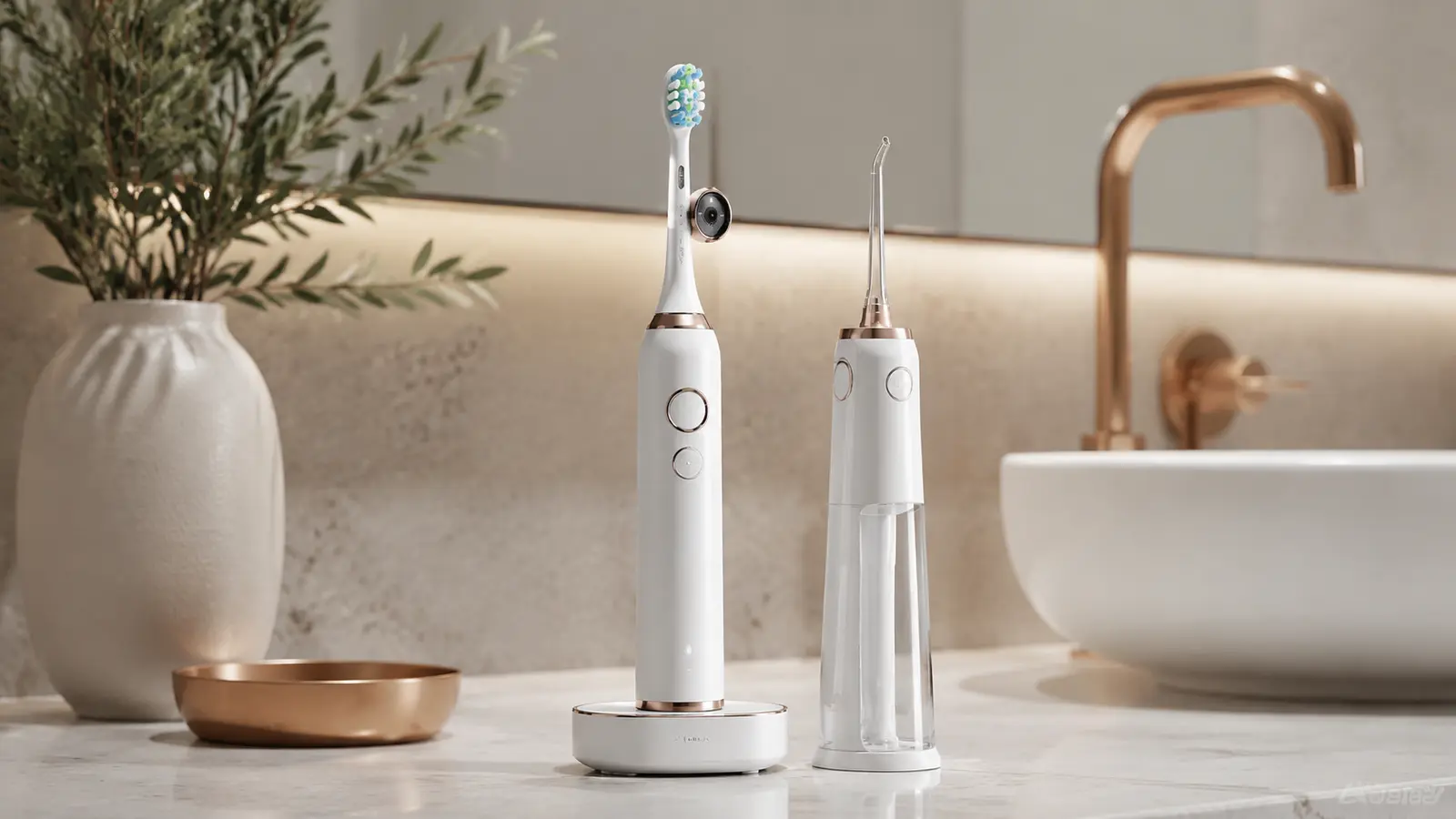
Dyson’s CameraJet is a $499.99 electric toothbrush that adds two unusual tools: a macro camera beside the brush and a tiny jet that dispenses measured mouth rinse. It is also listed at £419.99 in the UK. US preorders were open at announcement, with shipping stated for September 8 and color availability dependent on market.
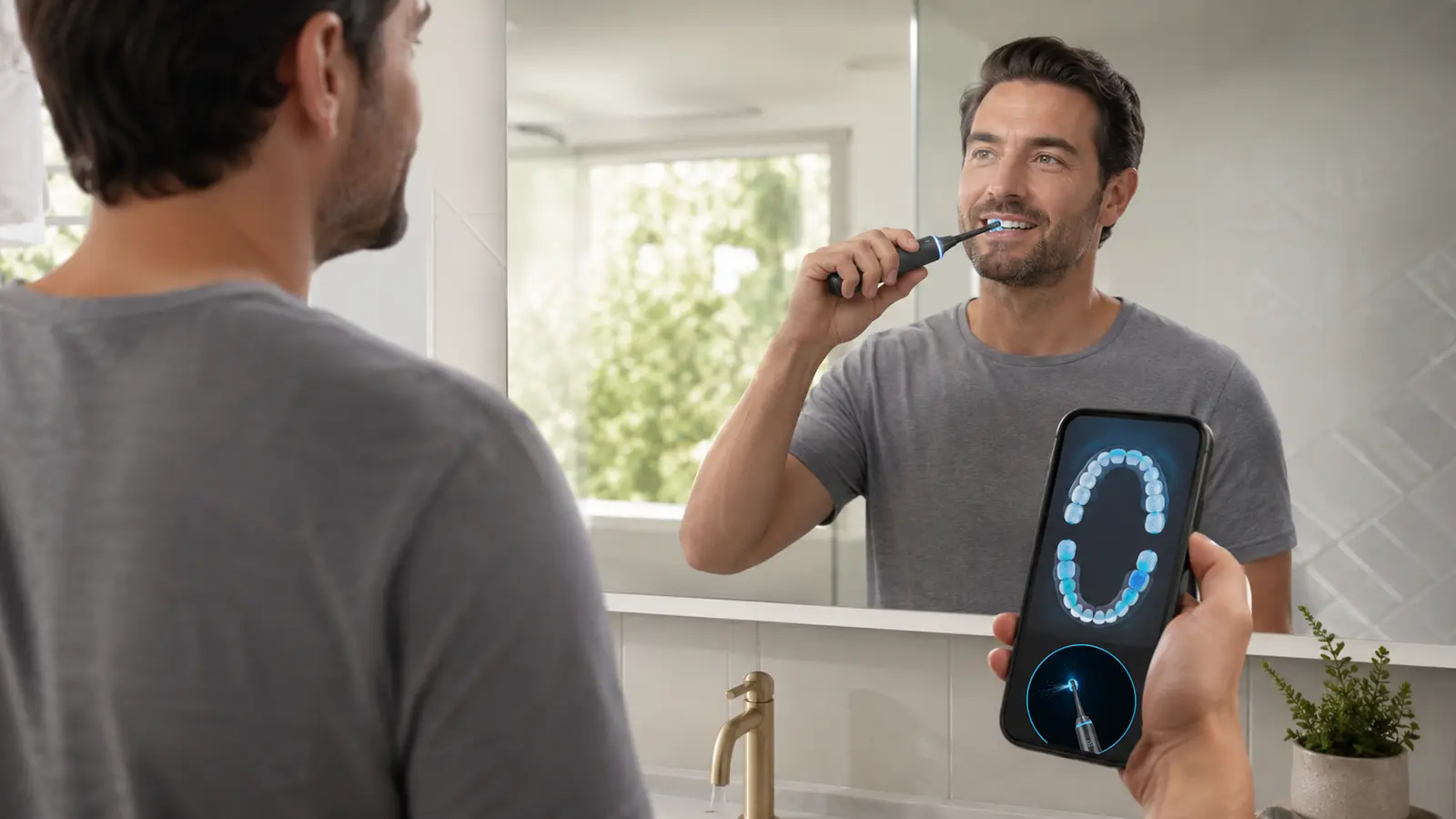
The camera captures a 100,000-pixel feed at up to 28 images per second, according to Dyson, and streams it to the MyDyson app for live intraoral video and coverage mapping. The rinse system dispenses up to 0.15ml in a brief pulse. Three modes and three intensities combine with pressure feedback, an IPX7 body, a replaceable battery and an approximately ten-day battery-life claim.
None of that proves it cleans teeth better than a well-used Oral-B iO, Philips Sonicare or ordinary powered brush. CameraJet is most interesting as a behavior-feedback device. Its value depends on whether seeing missed areas changes your routine enough to justify a phone-dependent, high-priced system.
At a Glance
| Key fact | Verified position |
|---|---|
| Price | $499.99 US; £419.99 UK at launch |
| Availability | Preorder at launch; US shipping listed for September 8 |
| Camera | 100,000 pixels and 28 images per second—Dyson specifications |
| Rinse jet | Up to 0.15ml delivered in roughly 0.1 second, according to Dyson |
| Modes | Brush + automatic jet, brush only and floss/rinse only; three intensities |
| Guidance | Pressure feedback, live intraoral video and cleaning maps in MyDyson |
| Durability | IPX7 body and user-replaceable lithium-ion battery |
| Battery claim | About ten days under Dyson’s defined Gentle-mode routine |
What the Camera and Cleaning Map Actually Do
The camera gives a close view of teeth and gums while the app builds a representation of where the brush has traveled. The practical benefit is feedback: a user may notice repeatedly missed inside surfaces or short brushing time. The low pixel count is intentional for live guidance rather than dental radiography or publication-quality photography.
A visual feed can also produce false confidence. Surface appearance cannot reveal every cavity, periodontal pocket or problem beneath a restoration. Bleeding, pain, swelling, persistent bad breath or a suspicious lesion requires professional assessment. Users should not make treatment decisions from the CameraJet image.
Brush, Rinse Jet and Cleaning Modes
CameraJet offers combined brushing with automatic jet delivery, brushing alone and a jet-only mode, plus Gentle, Variable and Deep Clean intensity choices. Pressure feedback is useful because excessive force can irritate gums and does not compensate for poor angle. The app’s value is greatest during technique learning; experienced users may not want a phone at the sink every day.
The 0.15ml jet is a tiny, controlled amount of mouth rinse, not a substitute for a countertop irrigator’s sustained stream. Dyson uses the word “flosser” in product positioning, but buyers should ask what interdental cleaning their dentist recommends. Tight contacts may still require string floss or interdental brushes, and mouthwash does not mechanically remove all plaque.
Dental fundamentals do not change
Brush thoroughly with fluoride toothpaste, clean between teeth as advised, limit frequent sugar exposure and attend appropriate dental checks. A $499 appliance cannot rescue an inconsistent routine.
What the Evidence Does—and Does Not—Show
Dyson cites company research and funded studies around coverage, plaque removal and user behavior. Those findings can inform design, but they are not the same as multiple independent randomized clinical trials against leading brushes over long periods. Study population, comparator, supervision and outcome selection all influence results.
As of September 2, broad independent clinical evidence specific to CameraJet was not available. That does not mean the brush is ineffective; it means strong superiority claims would be premature. Evaluate it as a sophisticated coaching tool with brushing and rinse functions, not as proven prevention of dental disease.
Privacy: Live Video Is Still Sensitive
Dyson says the live mouth image is processed locally and is not stored by Dyson, the app or its cloud. That is a meaningful design choice. The app communicates over 2.4GHz Wi-Fi, so buyers should keep the phone, router and MyDyson app updated and review permissions. Screenshots or screen recordings made by the user may still be saved to the phone or cloud backups.
Do not share intraoral images casually. They can reveal health information, dental work or identifying features. Families should consider separate profiles and avoid letting children upload images to public services. Local processing reduces one risk; it does not make every connected device or user action private.
Battery, Hygiene and Ownership Costs
The approximately ten-day claim assumes Dyson’s stated use pattern and Gentle mode. Camera use, Wi-Fi, intensity and jet frequency can change runtime. The replaceable battery is a positive for longevity, provided replacements remain available and reasonably priced. IPX7 helps with bathroom splashes and cleaning but is not permission to store the device submerged.
The system adds consumables and cleaning: brush heads, rinse, a 12.5ml on-device tank and a larger dock reservoir. Check replacement-head price, family sharing rules and hygiene guidance. Dyson’s sealed hygiene return restrictions also matter more than on a speaker or vacuum; understand the return policy before opening.
CameraJet vs Oral-B iO and Philips Sonicare
| Option | Strength | Trade-off |
|---|---|---|
| Dyson CameraJet | Live mouth view, coverage maps, integrated measured rinse jet | Highest price, app complexity and limited independent clinical evidence |
| Oral-B iO | Mature pressure and position coaching, wide retail/service presence | Premium models remain costly; round oscillating feel is divisive |
| Philips Sonicare | Strong established sonic-brush range and many price tiers | No comparable live intraoral camera in mainstream models |
A good sale-priced iO or Sonicare plus separate interdental tools will cost much less and has a deeper evidence and replacement-head ecosystem. CameraJet’s premium only makes sense for an early adopter who specifically values live visualization, responds to feedback and accepts the routine of charging, cleaning and using an app.
Who Should Buy, Skip or Wait?
Consider it if technique feedback has genuinely helped you, you enjoy quantified-health devices and the price is comfortable. It may be useful for visually motivated adults who want to inspect coverage—not diagnose disease. Confirm accessibility if hand dexterity or vision is limited, because camera alignment and phone use add steps.
Skip it if the purchase would reduce your dental-care budget, you dislike app-dependent routines, or a conventional powered brush already produces good results. Wait if you want independent clinical comparisons, long-term battery data or cheaper colors and bundles.
FrediTech verdict
CameraJet is an inventive coaching system, not a $499 shortcut to oral health. Its camera is the differentiator; its cleaning value remains dependent on technique, daily consistency and professional care. Most buyers should choose a proven midrange brush and wait for independent evidence.
Questions to Ask a Dentist—and Dyson—Before Buying
Ask a dentist whether your main problem is brushing coverage, pressure, interdental access, dry mouth, sensitivity or something requiring treatment. Camera feedback is useful only for some of those. Someone with gum disease may need a tailored cleaning plan; someone already plaque-free with a basic sonic brush gains little from a live feed. Product features should follow a real need.
Ask Dyson how long camera, app and cloud-independent functions will be supported; whether maps remain available if the account service changes; how to buy a battery; which mouth rinses are compatible; and how often the jet path needs descaling. Clarify whether toothpaste foam obscures the lens and what cleaning agents are safe. These mundane answers determine whether the system remains useful after the novelty period.
If buying, establish a baseline rather than chasing the app score. Use disclosed plaque tablets only when appropriate, take professional advice and track whether missed zones decrease over several weeks. Stop if the device encourages aggressive repeated brushing or gum trauma. Better data should reduce uncertainty and improve technique; it should not create anxiety around a normal mouth.
Frequently Asked Questions
How much is Dyson CameraJet?
It launched at $499.99 in the US and £419.99 in the UK. Availability, colors and bundles differ by market.
Does the camera diagnose cavities?
No. It provides a live surface view and coverage guidance. It cannot replace an examination, radiographs or a dentist’s diagnosis.
Is the rinse jet the same as flossing?
Not necessarily. It dispenses a small amount of rinse and may complement a routine, but many users still need string floss or interdental brushes according to professional advice.
Does Dyson store mouth video?
Dyson says live images are processed locally and are not stored by Dyson, the app or cloud. User-made screenshots and device backups are separate concerns.
How long does the battery last?
Dyson claims about ten days under a defined Gentle-mode routine. Camera, Wi-Fi and intensity use can change real endurance.
Can the battery be replaced?
Dyson describes the lithium-ion battery as replaceable. Check replacement availability, price and instructions in your market.
Related FrediTech Guides
- Internal-link opportunity: FrediTech best electric toothbrush guide (URL to be assigned)
- Internal-link opportunity: FrediTech connected-health privacy guide (URL to be assigned)
Sources and Verification
Dyson specifications and privacy statements are attributed to the company. No claim of disease prevention or superiority is made. General oral-care context is informational and not individualized medical advice.