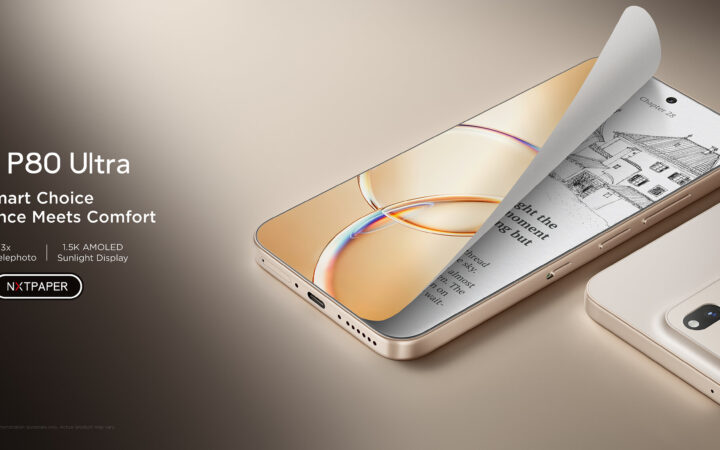

Vivo OriginOS 7 is now official in China and globally. Vivo launched OriginOS 7 at its Developer Conference in China on September 16, 2026, then introduced the global version in Shanghai on September 21. The new software is based on Android 17 and focuses on smoother performance, five-app multitasking, cross-device connectivity, AI assistance and deeper personalization.
The rollout is not the same everywhere. Vivo has published a detailed China rollout schedule beginning October 9, 2026, while global markets are still using preview programs and model-by-model announcements. As of September 28, India, Malaysia and Thailand have official OriginOS 7 Preview Program pages for the Vivo X300 Pro, while iQOO India has run a limited preview for the iQOO 15. Those preview programs are not the same as a stable public OTA.
Last updated: September 28, 2026. Latest status: China stable rollout is scheduled to start October 9; global stable OTA dates have not yet been published as one universal roadmap.
Table of contents
OriginOS 7: Quick Facts
- China launch: September 16, 2026
- Global introduction: September 21, 2026
- Android base: Android 17
- First China stable wave: October 9, 2026
- Eligible brands: Vivo and iQOO
- Main focus: performance, multitasking, AI, cross-device connectivity and personalization
- Global AI assistant: Jovi, where supported
- China AI assistant: BlueLM/BlueHeart Xiao V and China-specific AI services
- Global stable rollout: phased by model and market; full roadmap not yet published
- China final listed wave: by end of January 2027
What Is OriginOS 7?
OriginOS 7 is Vivo’s latest major Android software generation for Vivo and iQOO devices. It replaces OriginOS 6 on supported hardware and sits on top of Android 17. Android provides the underlying platform, security model and application framework; OriginOS adds Vivo’s interface, system services, AI tools, themes, multitasking and ecosystem features.
That distinction matters because Android security-patch timing, OriginOS build numbers and feature availability can differ by device and region. A phone can run Android 17 without having every OriginOS 7 feature described on Vivo’s flagship marketing pages.
What’s New in OriginOS 7?
| Area | OriginOS 6 | OriginOS 7 |
|---|---|---|
| Performance | Previous smoothness engine | Next-generation Origin Smooth Engine |
| Multitasking | Existing multi-window tools | Origin Workbench, up to five active apps on supported devices |
| AI | Earlier assistant/tool generation | Jovi globally; BlueHeart Xiao V and China-specific AI services in China |
| Animations | Origin animation system | Fluid Motion, Spring Animation and Seamless Interaction |
| Connectivity | Existing Vivo ecosystem links | Broader Apple Watch, AirPods, Mac, iPad and Windows integration where supported |
| Personalization | Existing themes and lock-screen tools | Wiggle Theme, Glint Theme, StickIt, Pet Pals and new material styles |
| Memory/storage | Earlier Memory Fusion/storage tools | Improved memory reclamation and storage optimization |
Origin Smooth Engine
Vivo says the next-generation Origin Smooth Engine improves graphics computation, memory management and system scheduling. Ultra-Core Computing dynamically allocates resources according to workload, while Dual Rendering is designed to make interface animation more efficient.
According to Vivo’s global internal testing, OriginOS 7 reduces app cold-start time by 10%, improves app-page switching by 11%, increases memory reclamation by 60% and can free up to 25GB of additional storage on a 256GB test device. Vivo also claims 14.4% higher rendering efficiency. These are manufacturer test results, not guarantees for every phone.
Vivo also cites a 72-month anti-aging test. That is a laboratory smoothness/longevity claim, not a promise of six years of Android-version upgrades.
Origin Workbench Multitasking
Origin Workbench is one of OriginOS 7’s most practical additions. Vivo says supported devices can coordinate up to five active applications inside one task space. That can be useful for combinations such as notes plus a browser, documents plus messaging, research, file management and creative work.
Five-app support should not be assumed on every budget Vivo phone. Availability depends on device capability, screen size, region and software build.
Fluid Motion, Spring Animation and New Themes
Origin Animation uses physics-inspired motion. Fluid Motion makes interface elements stretch, merge and react to touch; Spring Animation standardizes motion across system surfaces; Seamless Interaction targets smoother scrolling in supported system and third-party apps.
Personalization expands through Wiggle Theme, which turns personal photos into touch-responsive surfaces, and Glint Theme, which uses device movement to create dynamic light-and-shadow effects. StickIt builds layered compositions from photos and Live Photos, while Pet Pals adds interactive companion themes that can respond to movement, charging, music and time of day. Vivo warns that some effects vary by model and region.
Jovi AI, Snap Note and Regional AI Differences
For the global version, Vivo presents Jovi as its personal AI agent. Through Vivo Office Kit, Jovi can retrieve files from a connected computer, summarize information and send key points back to the phone. Vivo also describes recurring tasks such as report compilation and file organization, subject to device, account, network and regional availability.
Snap Note can recognize whiteboards, handwritten notes and presentation slides and convert captured information into editable structured documents. Recognition quality, languages and availability vary by device and market.
China is different. The China build uses BlueHeart/BlueLM services and Xiao V for features such as AI file management, calendar tasks and cross-device assistance. The global Jovi implementation should not be treated as identical to Xiao V, Google Gemini or other China-only AI services.
| AI area | China | Global |
|---|---|---|
| Main Vivo assistant | BlueHeart Xiao V / China Vivo AI services | Jovi on supported devices |
| Google services | Region-dependent | Available according to market/device support |
| File and task AI | China-specific AI File Manager, calendar and Xiao V workflows | Jovi + Vivo Office Kit workflows where supported |
| Feature parity | China feature set | Not guaranteed to match China |
Apple Watch, AirPods and Cross-Device Connectivity
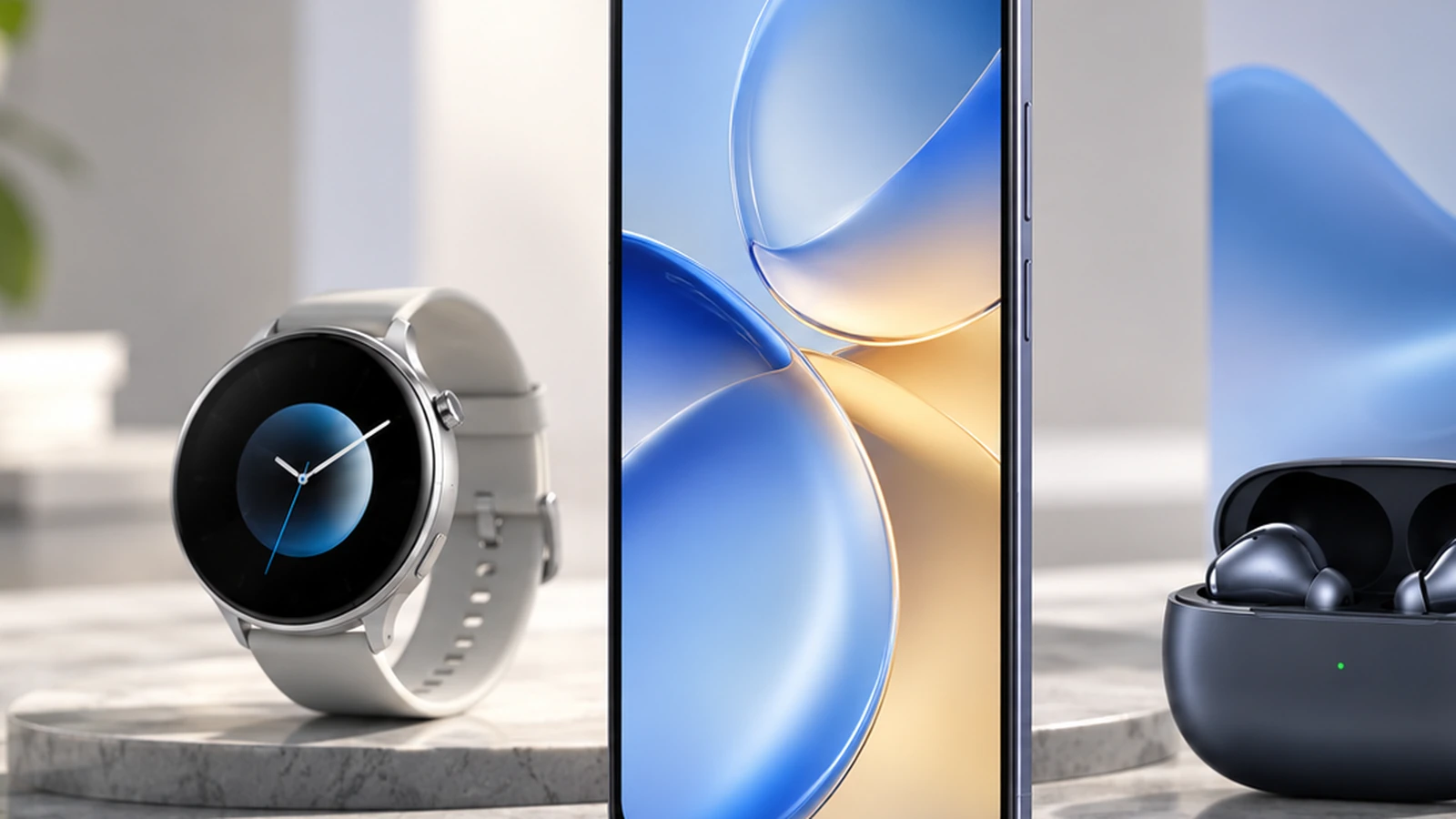
OriginOS 7’s global version expands cross-ecosystem support. Vivo says supported Apple Watch models can receive notifications and synchronize selected workout and health information with the Origin Health app. This is not full iPhone-equivalent Apple Watch support.
AirPods can show battery information through Origin Island and can support Spatial Audio on compatible devices and software. Through Vivo Office Kit, supported Vivo phones can connect with Windows PCs, Macs and iPads for file transfer, task handoff, note synchronization and cross-screen workflows.
OriginOS 7 also brings selected iCloud content into Vivo File Manager, allowing supported users to browse, upload and download compatible photos and files. It is not a complete replacement for Apple’s iCloud ecosystem.
OriginOS 7 China Rollout Schedule
The dates below apply to China. Do not use them as global rollout dates unless Vivo separately confirms the same timing for another country.
China — October 9, 2026
| Vivo | iQOO |
|---|---|
| X Fold6, X Fold5, X300 Ultra Satellite Edition, X300 Ultra, X300 Pro Satellite Edition, X300 Pro, X300s, X300, X300 E, Vivo Pad6 Pro | iQOO 15 Ultra, iQOO 15, iQOO 15T, iQOO Neo11 Ultimate Edition, iQOO Neo11, iQOO Pad6 Pro |
China — October 29, 2026
| Vivo | iQOO |
|---|---|
| X Fold3 Pro, X Fold3, X200 Ultra, X200 Pro Satellite Edition, X200 Pro, X200 Pro mini, X200s, X200, S60, S60 Vitality Edition, Vivo Pad5 Pro | iQOO 13, iQOO Neo10 Pro+, iQOO Neo10 Pro, iQOO Neo10, iQOO Pad5 Pro |
China — By End of November 2026
| Vivo | iQOO |
|---|---|
| X Fold2, X100 Ultra, X100s Pro, X100 Pro, X100s, X100, S50 Pro mini, S50, S50t, S50t Vitality Edition, Vivo Pad5, Pad5e, Pad5c | iQOO 12 Pro, iQOO 12, iQOO Neo9S Pro+, Neo9S Pro, Neo9 Pro, Neo9, Z11 Turbo, iQOO Pad5, Pad5e, Pad5c |
China — By End of December 2026
| Vivo | iQOO |
|---|---|
| X90 Pro+, X90 Pro, X90s, X90, S30, S30 Pro mini | iQOO 11 Pro, iQOO 11S, iQOO 11, iQOO Z11, Z11S, Z10 Turbo+ |
China — By End of January 2027
| Vivo | iQOO |
|---|---|
| S20 Pro, S20, Y600 Pro, Y600 Turbo, Y500 Pro, Y500i, Y500s | iQOO Z10 Turbo Pro, iQOO Z10 Turbo |
OriginOS 7 Global Rollout Tracker
| Device/market | Status | Date/window | Last checked |
|---|---|---|---|
| Vivo X300 Pro — India | Preview Program | Preview opened September 2026 | Sep 28, 2026 |
| Vivo X300 Pro — Malaysia | Preview Program | Official support page live | Sep 28, 2026 |
| Vivo X300 Pro — Thailand | Preview Program | Official support page live | Sep 28, 2026 |
| iQOO 15 — India | Preview/Beta | Registration Sep 16–20; 500 slots | Sep 28, 2026 |
| Vivo V80 — India | Ships with OriginOS 7 | New device launch in October 2026 | Sep 28, 2026 |
| Other global Vivo/iQOO models | Eligible date pending unless officially announced | No universal stable roadmap yet | Sep 28, 2026 |
OriginOS 7 India Rollout
India currently has confirmed preview activity rather than a published full stable roadmap. Vivo’s official support site lists an OriginOS 7 Preview Program for the X300 Pro. iQOO India opened its iQOO 15 preview registration from September 16–20 with 500 places, and selected users began receiving preview builds.
That does not confirm Vivo V-, T- and Y-series rollout dates. Those series should be marked not yet officially scheduled unless Vivo publishes model-specific support. The upcoming Vivo V80 is already documented with OriginOS 7 and Android 17, so it belongs in the “ships with OriginOS 7” category rather than an update-eligible list.
For related FrediTech coverage, see the Vivo V80 India launch tracker and iQOO Pad Ultra coverage.
Which Vivo and iQOO Phones Are Confirmed?
For China, the official schedule above is the confirmed eligibility list. For global markets, Vivo has not published one giant model-by-model public roadmap. The strongest global evidence currently consists of preview-program pages, devices announced to ship with OriginOS 7 and Vivo’s statement that OriginOS 7 will be available on the X500 Series plus new X Fold and V Series devices.
Models such as global X300/X200/X100, V-series, T-series and Y-series devices should not be called confirmed solely because their update policy might technically reach Android 17. Where only policy inference exists, use Expected — not yet officially scheduled.
Confirmed vs Expected Devices
For this tracker, confirmed means Vivo or iQOO has named the device in an official China schedule, regional preview program, product page or launch announcement. Expected means the phone’s software-support policy may make Android 17 technically plausible, but Vivo has not yet supplied an OriginOS 7 date for that market.
This distinction is especially important for global V-, T- and Y-series phones because update commitments vary by model, launch Android version and country. FrediTech will not convert policy-based expectations into confirmed eligibility until Vivo publishes supporting evidence. For broader context on how hardware and software affect responsiveness, see FrediTech’s smartphone performance analysis and mobile technology trends guide.
How to Check for the OriginOS 7 Update
- Connect to reliable Wi-Fi.
- Open Settings.
- Open System Update or your region’s equivalent menu.
- Check for available updates.
- Read the build number and changelog.
- Download only when you are ready to restart.
- Keep adequate battery charge during installation.
Another person receiving OriginOS 7 does not mean every unit receives it on the same day. Vivo can phase an OTA by country, IMEI batch, carrier, firmware branch and device variant, and can pause a rollout if a problem appears.
Using a VPN or changing region does not guarantee access to an OTA tied to firmware branch and server eligibility. Do not flash another region’s firmware merely to receive OriginOS 7 sooner.
Before Installing OriginOS 7
- Back up important photos, messages and files.
- Verify cloud backup and authenticator recovery information.
- Charge the phone sufficiently.
- Keep free storage available for the OTA and installation process.
- Use stable Wi-Fi.
- Update important banking and work apps.
Update size varies by device, current build and region, so there is no single universal OriginOS 7 download size. A normal OTA upgrade should ordinarily keep apps and user data, but backup remains sensible before any major operating-system update.
Should You Install the OriginOS 7 Beta?
Preview and beta builds are intended for testing. They can contain battery drain, camera bugs, banking-app incompatibility, network problems and third-party app crashes. Rollback can be more complicated than an ordinary update and can involve data loss depending on the official procedure for that model.
For most ordinary users, the stable OTA is the better choice. Use only Vivo/iQOO’s official preview channel and official rollback instructions; do not use unofficial cross-region flashing guides.
Battery and Performance After Updating
Temporary battery drain or warmth can occur after a major update while Android optimizes applications, rebuilds caches, indexes media and completes cloud synchronization. Give the phone time to settle before concluding that a short first-day drop is a permanent regression.
If heavy drain, overheating, crashes or network problems persist after several normal charge cycles, review battery usage, update applications and check Vivo’s support/community channels for your exact build.
OriginOS 7 Features May Vary by Country
OriginOS 7 should be treated as a family of regional builds, not one identical firmware image worldwide. AI assistant, Google services, Jovi/Xiao V features, Apple Watch integration, iCloud access, language support, paid AI services and privacy tools can differ by market or hardware.
Vivo’s China build also includes China-specific networking, AI File Manager, BlueHeart/Xiao V and accessibility features that should not automatically be promised to global devices. Conversely, global Jovi, Apple Watch and iCloud integrations should not be assumed to appear unchanged in China.
Final Takeaways
OriginOS 7 is no longer a pre-launch rumor. It launched in China on September 16 and was introduced globally on September 21. Android 17, Origin Smooth Engine, Origin Workbench, Jovi, Snap Note and broader cross-device integration define the global release, while China has its own AI and service layer.
The rollout story is still regional. China’s official schedule starts October 9 and runs through January 2027. Globally, preview programs are active for selected devices, but a universal stable timetable has not been published. This tracker should therefore move devices from Scheduled → Rolling out → Widely available only when official evidence supports the change.
Frequently Asked Questions
Is OriginOS 7 based on Android 17?
Yes. Official Vivo regional pages and preview programs identify OriginOS 7 as Android 17-based.
When did OriginOS 7 launch?
Vivo launched OriginOS 7 in China on September 16, 2026 and introduced the global version on September 21.
When does the China stable rollout start?
Vivo’s official China schedule starts October 9, 2026.
When will Vivo X200 get OriginOS 7?
In China, Vivo lists the X200 series in the rollout beginning October 29, 2026. Global X200 timing has not been confirmed by the same China schedule.
Will Vivo X100 get OriginOS 7?
Yes in China: the X100 series appears in the official wave scheduled by the end of November 2026. Global timing must be confirmed separately.
Will iQOO 13 get OriginOS 7?
In China, iQOO 13 is officially scheduled for the October 29 wave. Global iQOO 13 timing remains region-specific.
Is OriginOS 7 available globally?
Yes, Vivo introduced it globally, but stable OTA timing still varies by model and country.
When is OriginOS 7 coming to India?
India already has preview programs for Vivo X300 Pro and iQOO 15. A full stable India roadmap has not yet been published.
Will updating erase my data?
A normal stable OTA should ordinarily preserve apps and user data, but back up important information before a major OS upgrade.
Why haven’t I received OriginOS 7 yet?
Your model may not be in the current wave, or Vivo may be phasing the OTA by market, firmware branch, carrier, IMEI batch or device variant.