
A lower electricity bill rarely comes from one dramatic gadget. It comes from identifying the equipment that consumes the most energy, changing how and when it runs, maintaining it properly and replacing it only when the numbers justify the cost.
These home energy-saving tips for 2026 follow that order. They are designed for real homes—including warm-climate households where air conditioning, refrigeration, fans, water heating and backup power may matter more than space heating.
Research checked: August 27, 2026. Savings depend on climate, household behavior, equipment condition, tariff structure and local construction. Percentage claims from another country or home should not be treated as a personal forecast.
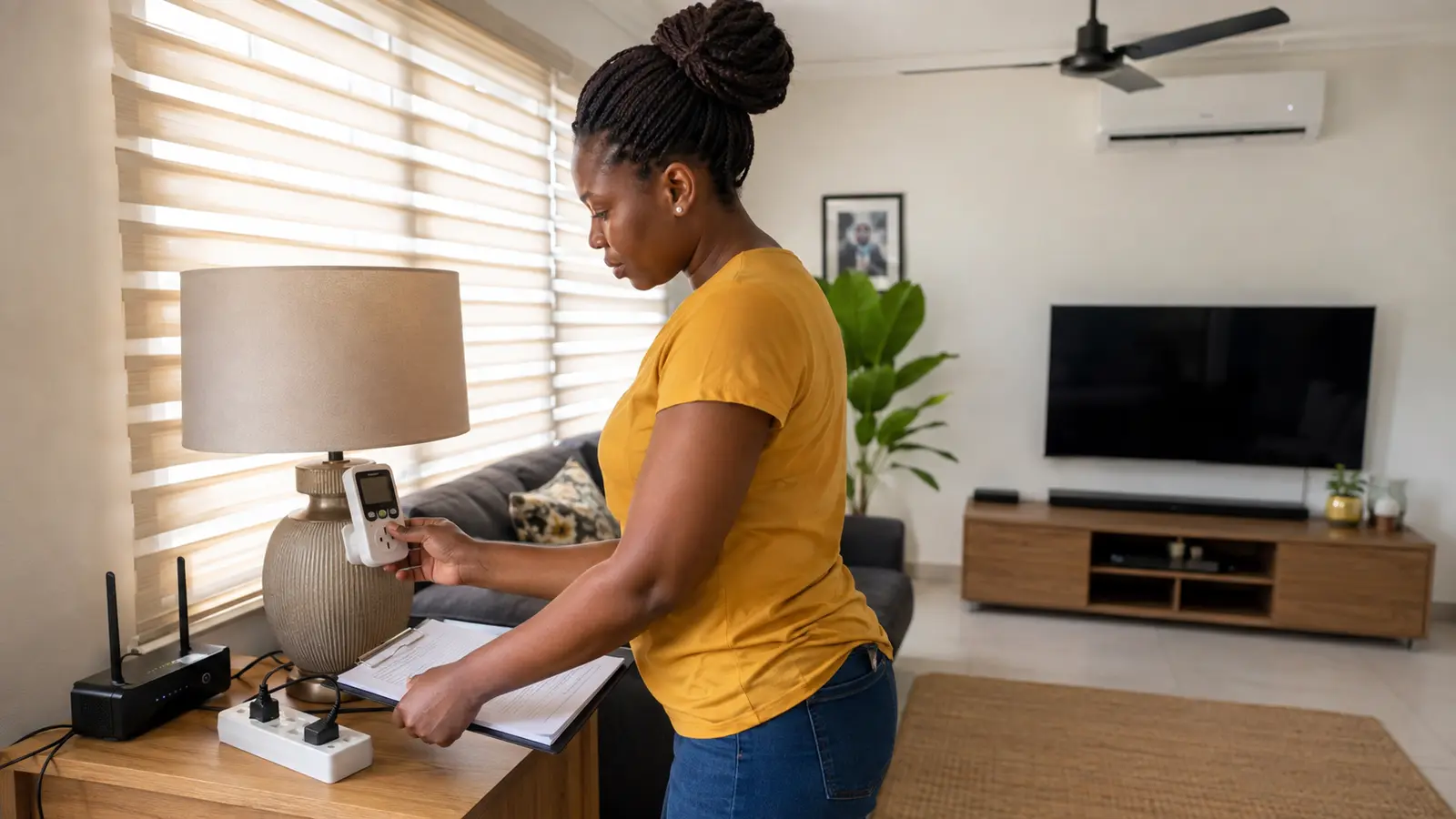
Table of contents
Where to begin if your electricity bill is high
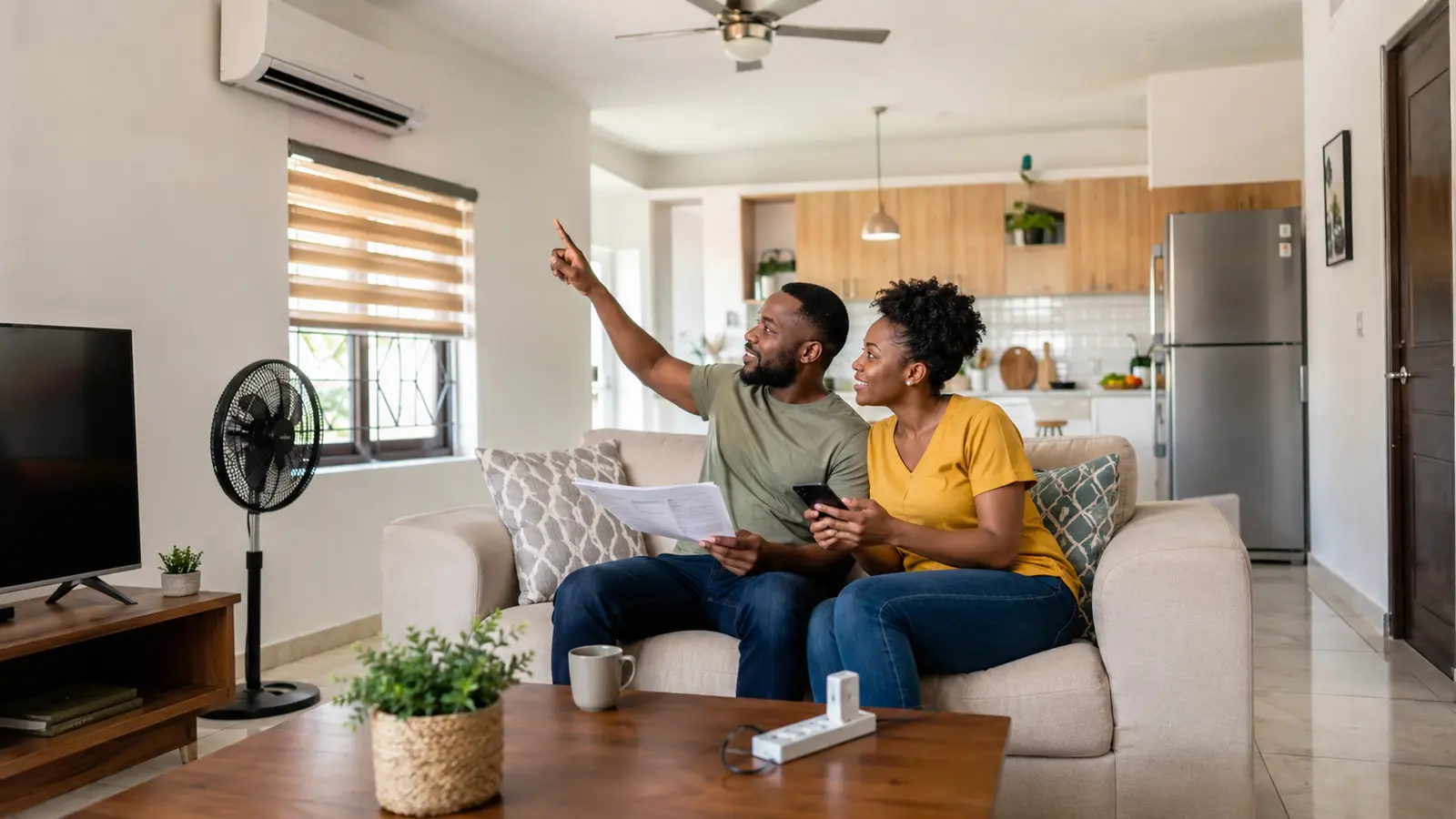
Compare several bills and meter readings, identify high-power equipment and operating hours, then target cooling, water heating, refrigeration, cooking, laundry and frequently used lighting. Small standby loads matter when numerous or always on, but switching off one charger will not compensate for an inefficient air conditioner running many hours.
For cycling appliances, nameplate wattage multiplied by clock hours can overestimate use. A suitable meter, utility data or manufacturer energy figure provides a better estimate.
Four steps to find the real energy waste
1Create a trustworthy baseline
Record electricity use—not only the amount paid—from at least three comparable billing periods when possible. Note estimated readings, tariff changes, days in the billing cycle and unusual events such as guests, travel, heat waves or a faulty appliance. In prepaid homes, record the date and meter balance at regular intervals rather than relying on memory.
2List wattage and operating time
Walk room by room and list high-power or long-running equipment. Include air conditioners, water heaters, refrigerators, freezers, pumps, ovens, kettles, irons, dryers, entertainment systems, computers and backup-power conversion losses. A 5-watt device running continuously uses about 3.6 kWh in a 30-day month; a 1.5-kilowatt appliance running two hours daily uses about 90 kWh before cycling or other adjustments.
3Measure plug loads safely
A certified plug-in electricity monitor can measure compatible appliances over several days. It must match local voltage, frequency, plug, current and load type. Do not use a general monitor with a hardwired appliance or high-power equipment beyond its rating. Whole-home monitoring and electrical-panel work belong with a qualified professional.
4Rank actions by annual value
Estimate the kilowatt-hours an action could avoid, multiply by the applicable tariff and compare the result with purchase and maintenance cost. Give priority to no-cost operating changes and maintenance with a clear payoff. A new device that saves little energy can increase spending and electronic waste.
| Finding | First response | Possible later investment |
|---|---|---|
| Cooling runs for long hours | Filters, setpoint, shading, doors/windows and room use | Correctly sized efficient unit, insulation or envelope improvement |
| Old refrigerator cycles excessively | Seal, ventilation clearance, temperature, condenser care and door habits | Efficient right-sized replacement when the financial case is strong |
| Many entertainment/office standby loads | Inventory and safely switch nonessential groups off | Measured smart strip or control where it remains convenient |
| Water heating dominates | Shorter use, repair leaks and appropriate temperature | Insulation or an efficient replacement suited to the household |
Seven ways to reduce cooling demand
5Change the air-conditioner setting gradually
Choose the warmest setting that remains comfortable for the occupants, clothing and humidity. A large sudden change that makes people override the schedule will not last. Use sleep or scheduling features when appropriate, but do not compromise health or the safe storage of medicines and equipment.
6Clean filters and maintain the system
Follow the manufacturer’s filter-cleaning or replacement interval and shorten it where dust conditions demand. Keep indoor and outdoor airflow unobstructed. Reduced cooling, unusual noise, ice, water leaks, hot wiring or frequent breaker trips require qualified service rather than repeated resetting.
7Use fans to improve comfort for people
A fan moves air and can make occupants feel cooler; it does not lower the room’s air temperature in the way an air conditioner does. Turn it off in an empty room unless it serves a specific ventilation or moisture-control purpose. Clean blades and guards, and use a safe stable position.
8Block unwanted solar heat
Use exterior shading, suitable window treatments or reflective strategies appropriate to the building and climate. Close sun-facing curtains or blinds during the hottest periods while preserving safe daylight and ventilation. Dark, unventilated coverings can trap heat or damage some glazing systems, so follow product and building guidance.
9Seal uncontrolled air leaks—without trapping pollution
Repair gaps around doors, windows and service penetrations where conditioned air escapes, using suitable materials. Maintain deliberate ventilation for occupants, cooking, bathrooms and combustion equipment. The U.S. Environmental Protection Agency warns that tightening a building without addressing ventilation can allow indoor pollutants to accumulate.
10Improve roof and ceiling heat control
In hot sunny climates, roof color, shading, radiant barriers, insulation and attic/ceiling ventilation can affect indoor heat gain. The right solution depends on roof construction, moisture movement, fire safety and local weather. Obtain a building-specific assessment before covering wiring, blocking vents or adding materials that may trap moisture.
11Ventilate when outdoor conditions are favorable
Open windows or use exhaust ventilation when outdoor temperature, humidity, smoke, dust and security conditions make it appropriate. Cross-ventilation can reduce the need for mechanical cooling at suitable times. Close the home and filter air when outdoor pollution or extreme heat makes ventilation counterproductive.
Five lighting and electronics savings
12Replace frequently used inefficient lamps with LEDs
Compare brightness in lumens, color appearance, beam angle, dimmer compatibility and local certification—not wattage alone. Begin with the lamps used for the longest hours. Do not install a bulb in an enclosed or damp fixture unless the product is rated for it.
13Use daylight and task lighting
Light the activity rather than every corner of the room. A desk or kitchen task lamp may allow fewer overhead fixtures to run. Position screens and work surfaces to benefit from daylight without creating glare or increasing heat gain.
14Automate lights only where forgetting is common
Occupancy sensors and schedules can help in corridors, outdoor areas and utility spaces. Choose a timeout that suits the room; a sensor that switches off while someone sits still creates frustration. Retain a manual control and ensure outdoor products are rated for exposure.
15Control meaningful standby groups
Measure entertainment, gaming or office accessories together, then use a switched or suitable smart power strip if the group has meaningful standby use. Do not switch off routers, alarm hubs, refrigerators, medical equipment, recording devices or products that require updates simply to chase a small saving.
16Use device power-management settings
Enable sensible display sleep, computer sleep and automatic shutdown for equipment that does not need continuous operation. Reduce excessive screen brightness. Confirm that backups, remote work, downloads and security updates still occur at appropriate times.
Five kitchen and refrigeration improvements
17Help the refrigerator reject heat
Maintain the clearances in the manual, keep door seals clean and check that food or ice does not prevent closing. Clean accessible condenser areas only as instructed and disconnect power where required. Avoid placing the appliance beside strong heat sources when the layout permits.
18Use appropriate refrigerator and freezer settings
Settings that are colder than needed can waste energy; unsafe warmth risks food. Use the manufacturer’s guidance and a suitable independent thermometer if confirmation is needed. Let hot food cool according to safe food-handling rules before storage, organize items for quick access and avoid long door openings.
19Match the cooking appliance to the task
Use lids, correctly sized pans and only the water required. A microwave, pressure cooker, air fryer, toaster oven or induction element may use less energy than heating a large oven for a small portion, but the result depends on food quantity, appliance efficiency and cooking time. Batch-cook only when food can be cooled, stored and reheated safely.
20Fill the kettle with the amount needed
Boiling excess water repeatedly adds unnecessary energy. Use the marked minimum and maximum levels, keep the base and connector dry and descale according to local water conditions and the manufacturer’s instructions. Do not use a general smart plug to remote-start a kettle.
21Run full, correctly loaded dishwashing cycles
Use the eco cycle when it suits the load and time available, scrape food as directed and maintain the filter and spray arms. Avoid blocking detergent or water paths. Compare machine washing with hand washing based on actual water heating, water volume and behavior rather than assuming one method always wins.
Three laundry and hot-water savings
22Wash full loads at the lowest suitable temperature
Choose the cycle and temperature for the fabric, soil, detergent and hygiene requirement. Cold or cooler water can reduce heating demand for many routine loads, but follow garment and health guidance when higher temperatures are needed. Do not overload the drum, which can reduce cleaning and stress the machine.
23Dry with free airflow when practical
Line-dry where weather, space, tenancy and air quality permit. If using a dryer, clean the lint filter, maintain airflow and use moisture sensing where available. Dry similar fabrics together and avoid running a nearly empty machine. Heat-pump dryers can be efficient but cost, cycle time, climate, installation and maintenance must be compared.
24Reduce hot-water loss
Repair hot-water leaks, use efficient fixtures that preserve acceptable flow and set the heater according to manufacturer, health and scald-prevention guidance. Insulate suitable tanks and pipes only with approved materials and clearances. Storage temperature decisions can involve microbial and burn risks, so avoid copying a universal number without checking the system.
Make the next appliance or solar investment count
25Compare lifetime use, then verify results
When an appliance genuinely needs replacement, compare models of the same type and useful capacity using the official energy label for your market. Ghana’s Energy Commission publishes standards and labeling requirements for regulated appliances including refrigerators, air conditioners, lighting, televisions, fans, water heaters and other products. U.S. buyers can use EnergyGuide and ENERGY STAR information; other markets have their own labels.
After any change, compare normalized meter use for several weeks. Note weather, occupancy and billing days. Keep the change only if it preserves comfort, safety and function. This final measurement prevents a household from assuming that an expensive purchase created savings it did not actually deliver.
What about solar panels, batteries and inverters?
First reduce avoidable demand, then size generation and storage around measured loads, essential circuits, outage needs and budget. Obtain a site-specific design from a qualified provider and verify structural, electrical, earthing, fire, battery-ventilation, warranty and utility/interconnection requirements. Do not connect an improvised generator, inverter or panel system to household wiring.
Frequently asked questions
What uses the most electricity in a home?
It depends on climate and equipment, but long-running heating or cooling, electric water heating, refrigeration, pumps, cooking, laundry drying and large entertainment or computing loads are common priorities. Bills, meter data and safe measurements reveal the answer for a particular home.
Does switching appliances off at the wall save electricity?
It can reduce standby use for suitable nonessential products. Measure the group first and preserve power to safety, networking, refrigeration, medical, recording or update-dependent equipment. Never use a damaged or inaccessible switch as a routine control.
Do ceiling fans reduce room temperature?
Fans mainly improve comfort by moving air across people; they do not refrigerate the room. Turn them off in unoccupied spaces unless they serve a defined ventilation or moisture-control purpose.
Should I replace every old appliance?
No. Compare condition, measured use, repair cost, replacement price, efficiency, capacity, expected life and disposal. Replacing a lightly used working appliance may have a very long financial payback.
How can I know whether an energy-saving change worked?
Compare kilowatt-hours over similar billing periods and account for days, weather, occupancy and tariff changes. For a single compatible appliance, measure before and after over enough time to capture normal cycling.
Research sources and methodology
The advice was organized around measurement, no-cost operation, maintenance and lifecycle purchasing. Official program estimates are useful for comparisons but were not presented as guaranteed household savings. Electrical, solar and building work requires locally qualified assessment.
- U.S. Department of Energy — Energy Saver
- U.S. Department of Energy — Home energy checklist
- ENERGY STAR — Product efficiency guidance
- Federal Trade Commission — Using the EnergyGuide label
- Ghana Energy Commission — Energy-efficiency regulations
- Ghana Energy Commission — Efficiency standards and labeling portal
- U.S. EPA — Weatherization and indoor air quality